Your monthly update on innovation and deployment for Europe’s railway system of the future.At InnoTrans 2026, the...

Innovation Pillar, System Pillar and Deployment Group – August News
read more
A body of the
European Union

Access the list of all EU-Rail Calls for Proposals.

On 21 June 2024, the Governing Board of Europe’s Rail Joint Undertaking (EU-Rail) adopted a Call for Expression of Interest (CEI) with a view to selecting associated members with the potential to contribute to the achievement of its objectives. The Governing Board decision can be accessed here.
Discover detailed information about procurment rules and information.
Access detailed information about past tenders.

Europe's Rail regularly published Calls for Tenders. To find out about open Calls, follow link below.

Article 15 (Principle of transparency) of the EU-Rail financial rules states that the JU shall make available on its internet site no later than 30 June of the following financial year information on the recipients of funds deriving from its budget.

EU-Rail’s Innovation Pillar (IP) is tasked to deliver operational and technological solutions that contribute to a more efficient, flexible, and demand-led, yet safe and environmentally sustainable European railway system.

The System Pillar provides governance, resource, and outputs to support a coherent and coordinated approach to the evolution of the rail system and the development of the system view.

The Deployment Group advises the EU-Rail Governing Board on the market uptake of rail innovation developments and support their deployment.
For a successful and effective implementation of the Digital Automatic Coupler for European rail freight (DAC), it is of crucial importance to have open, close and efficient cooperation between rail stakeholders. The European DAC Delivery Programme enabled by Europe’s Rail, offers a unique European platform for such cooperation and collaboration.
Discover how Europe’s Rail Joint Undertaking is calling for a bold, coordinated investment strategy to simplify and modernise rail systems across the EU. This public-private partnership model – outlined in our High-Level Paper – proposes an €18 billion investment from 2028 to 2034 to strengthen European competitiveness, deliver greener transport, and drive technological sovereignty.

The Shift2Rail Joint Undertaking is the predecessor programme of the Europe's Rail Joint Undertaking (EU-Rail), established by Council Regulation (EU) 2021/2085 of 19 November 2021.

Discover detailed information on Europe's rail innovation initiatives, showcasing flagship and other projects aimed at enhancing rail systems across Europe. It highlights collaborative efforts funded by the European Union to develop sustainable, efficient, and competitive rail transport solutions.

Europe’s Rail Catalogue of Solutions illustrates successful R&I results in the form of possible products and solutions, while highlighting the benefits for final users, operators, infrastructure managers and/or suppliers. This publication also outlines the advantages of integrating demonstrators into market solutions so that they can deliver the rail innovation Capabilities of the future.
Europe’s Rail Joint Undertaking (EU-Rail) is the European partnership on rail research and innovation established under the Horizon Europe programme (2020-2027) and the universal successor of the Shift2Rail Joint Undertaking.

Find out the full list of Europe's Rail Members.

Discover the full structure and governance of Europe's Rail, including the decisions of the Governing Board.

Get access to Europe's Rail main reference documents, including Annual Work Plans, Annual Activity Reports, Annual Accounts and other important information.
On 1 June 2026, the EU-Rail System Pillar Steering Group approved delivery documents from System Pillar Task 4, focusing on Full Digital Freight Train Operations (FDFTO) Train Length and Central Instance solutions. System Pillar Task 4, composed of experts from the Railway Operating Community and Rail Supply Industry, proposed system-level solutions to integrate FDFTO with Digital Automatic Coupler (DAC) into the broader rail freight system.
The delivery document proposing a European Central Instance structure highlights the need to manage software interoperability and data exchange between DAC-equipped wagons and landside systems. Work Package 3.1 of the same System Pillar Task 4 proposed a SIL4 safety concept for the Train Length function in freight trains. This proposal is incorporating feedback from System Pillar Task 2 and PRAMS teams. Once developed and implemented, it would enable moving blocks for DAC-equipped freight trains, enhancing safety and network capacity.
Following System Pillar Steering Group approval, it has been proposed to transfer the Central instance document to the DAC Deployment Group (formerly the EDDP Programme Board) of EU-Rail for further deployment considerations. It will now be the DAC Deployment Group and also the future Flagship Area 5 (freight) 2nd or 3rd wave tasks to further review and adapt the document according to the FDFTO evolutions as well as to operators/users’ broader needs. Concerning train length function, the work would be handed over to the Innovation Pillar for future development and System Pillar Task 2, the latter especially for the interface work related to the so-called “merging function”. Task4 will follow the merging function item, also taking into consideration further interface definitions between ETCS and FDFT network systems.
The solutions stack by the System Pillar continues to progress, with the 17th System Pillar Steering Group approving:
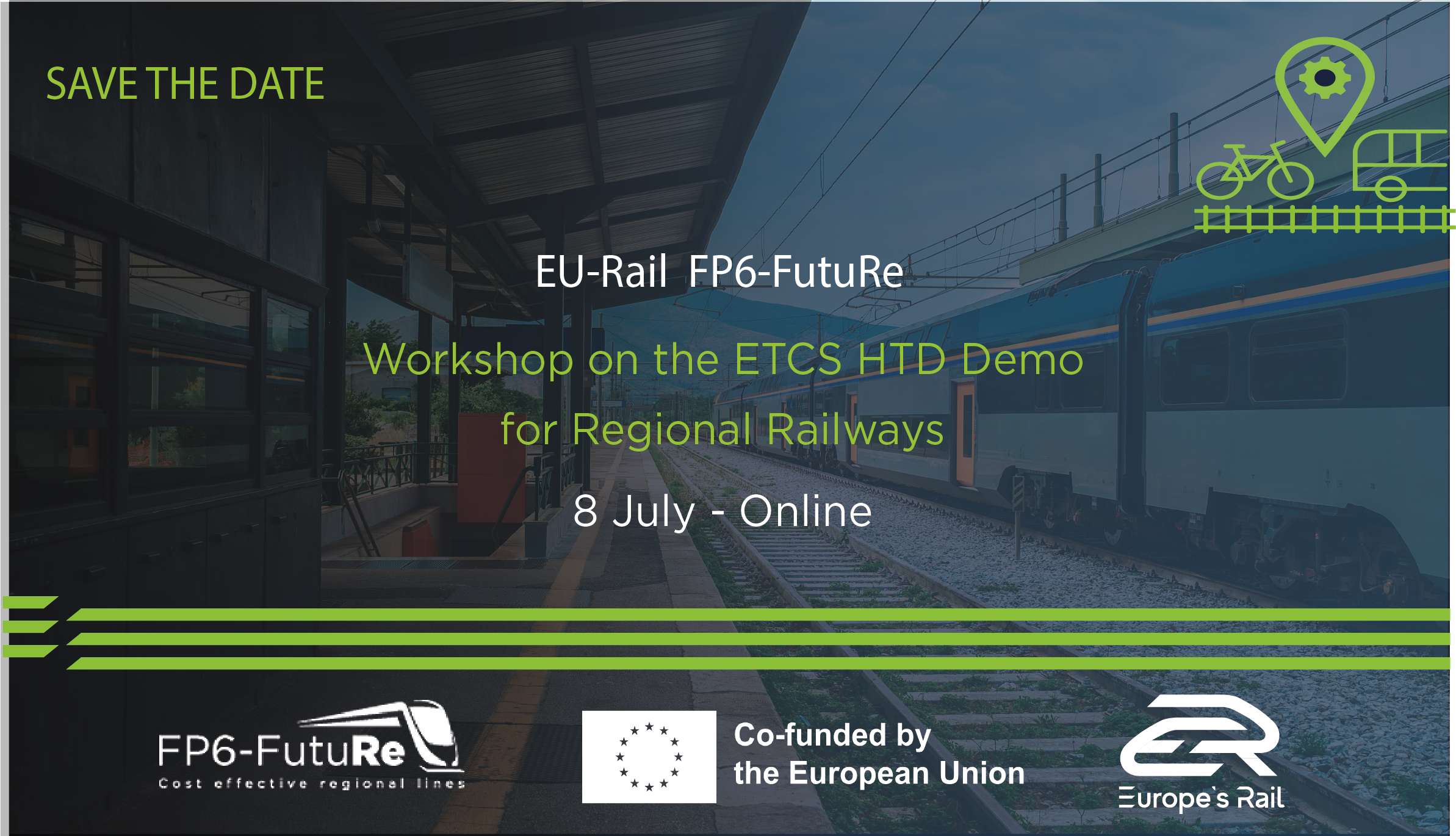
Discover the latest advancements from our EU-Rail FP6-FutuRe project at the upcoming dissemination workshop dedicated to the ETCS HTD demonstrator for regional railways. Developed by Alstom in cooperation with RFI and ADIF, the demonstrator explores the application of ETCS Level 2 based on standard HTD principles on a G1 regional line.
Built on a laboratory test bench that faithfully replicates a real regional railway environment, the demonstrator has been validated through a series of predefined operational use cases.
Attendees will gain valuable insights into the demonstrator’s objectives, engineering approach and methodology, the architecture of the test bench and testing process, as well as the analysis of the most significant use cases. The workshop will also explore potential evolutions and simplifications of current HTD principles aimed at supporting efficient and sustainable operations on regional railway lines.
Where: online
When: 8 July, 10:00–12:00 (CET)
The FP6 FutuRe project recently showcased progress across three demonstrators supporting the digitalisation and automation of regional rail services.
ATO GoA2 Demonstrator Workshop – CAF (22 May)
Stakeholders explored the development and testing of Automatic Train Operation (GoA2) over ERTMS for regional lines, highlighting demonstrated use cases, system architecture, and operational benefits such as improved energy efficiency and adhesion management.
Read more
Remote Train Operation Demonstrator Workshop – TRV/VTI (12 June)
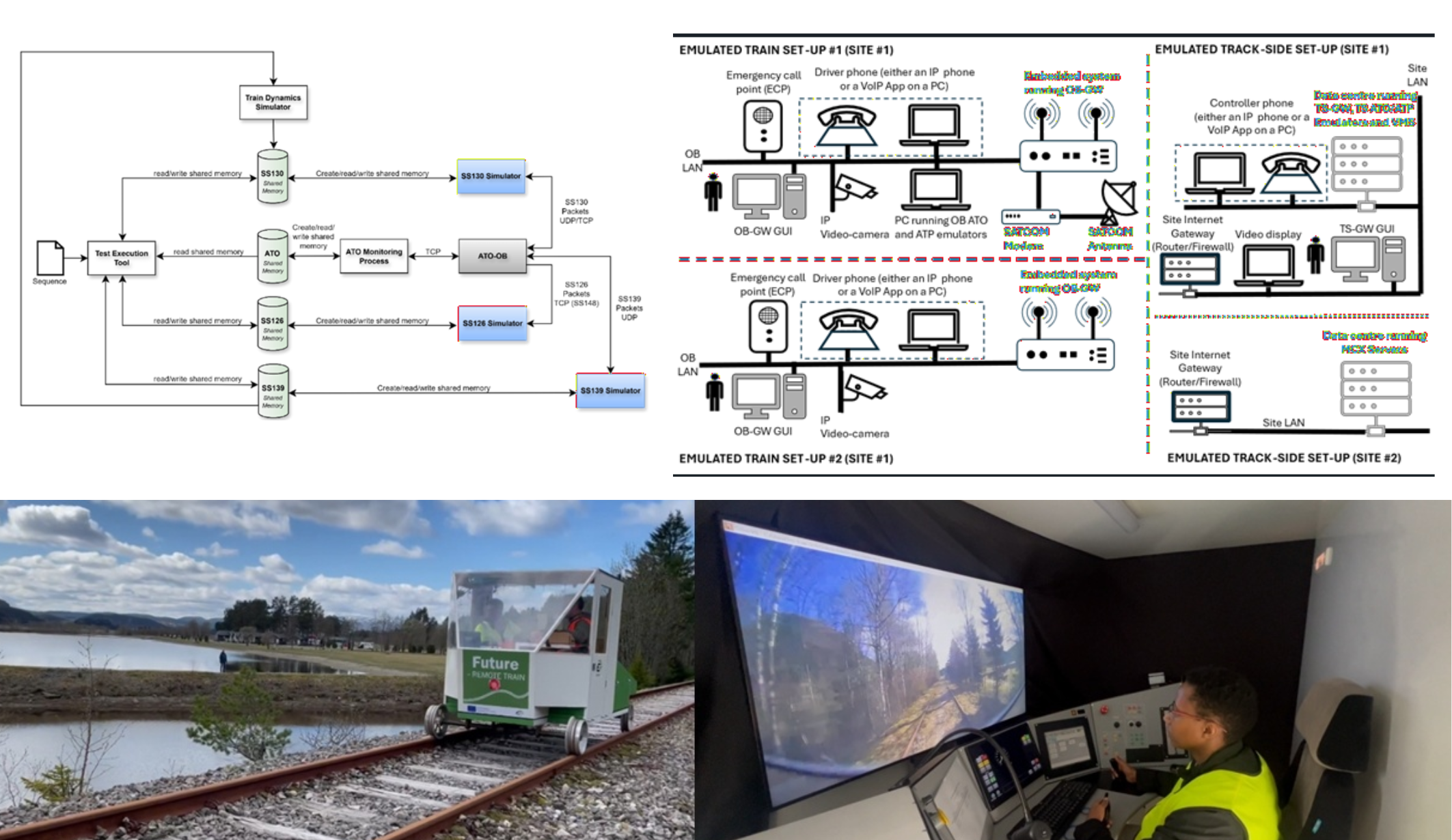
The workshop presented key results from the Remote Train Operation (RTO) demonstrator, developed as a fallback solution for GoA3/4 automated operations. Testing activities in Sweden and Norway provided valuable insights into system performance, demonstrated use cases, and lessons learned.
Read more
Multi-bearer Communication Platform Demonstrator Workshop – Hitachi (29 June)
Participants discovered the testing and validation of a communication platform integrating 4G/5G and satellite technologies. The demonstrator assessed the potential of multi-bearer communications to support future railway applications, including ETCS, ATO, voice, and video services.
Read more
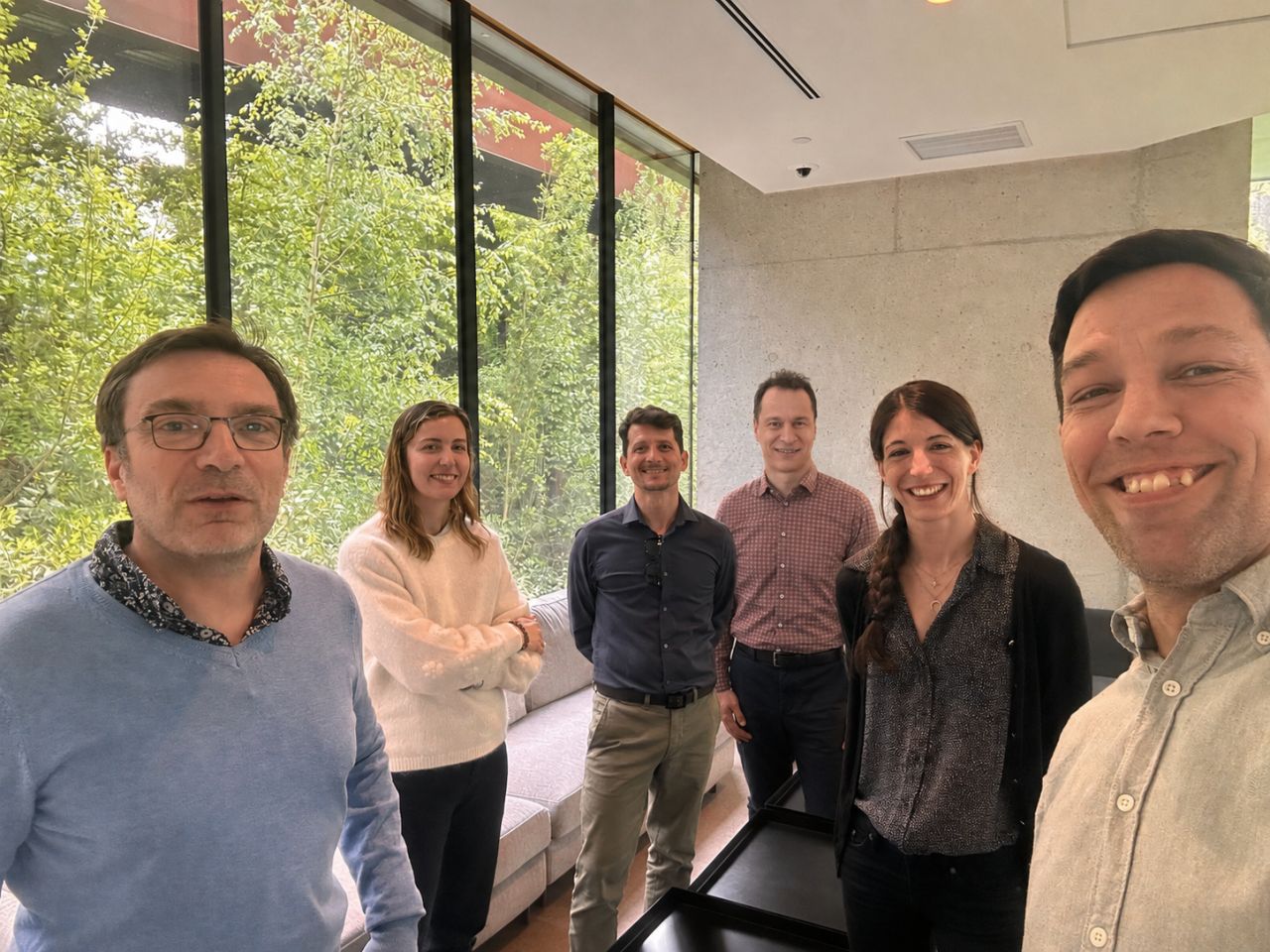
Our EU-Rail FP2-R2DATO Final Event, held on 3–4 June 2026 in Prague and Dětenice (Czech Republic), successfully brought together around 100 participants to celebrate the achievements of the project and explore its key results.
The first day, hosted in Prague, featured a dynamic programme combining high-level perspectives and technical presentations, opening with remarks from EU-Rail Executive Director Giorgio Travaini, covering the project’s vision, innovations, and achievements across multiple work streams.
Strong audience interaction throughout the sessions reflected the high level of engagement and interest in the project outcomes. The day concluded with an interactive quiz and awards ceremony, creating a lively and memorable atmosphere.
On the second day, participants travelled to Dětenice, where they attended live demonstrations on the AŽD Kopidlno–Dolní Bousov Regional Railway Line, showcasing the Regional Demonstrator and allowing attendees to experience FP2-R2DATO solutions in a real operational environment.
Our EU-Rail FP4-Rail4EARTH project’s Task on “Further Improvement of Noise Source Characterisation” has successfully concluded with its final plenary meeting, marking an important milestone in the benchmarking of methodologies for the exterior aeroacoustic noise characterisation of rolling stock, including applications to acoustic virtual validation. The work of this task followed two major themes: aeroacoustic source characterisation and simulation-versus-testing study. The partners were able to establish a State-of-the-art overview of simulation capabilities, to clearly identify the strengths and limitations of numerical methods and furthermore to contribute to the development of a standardisation framework for virtual aeroacoustic noise validation.
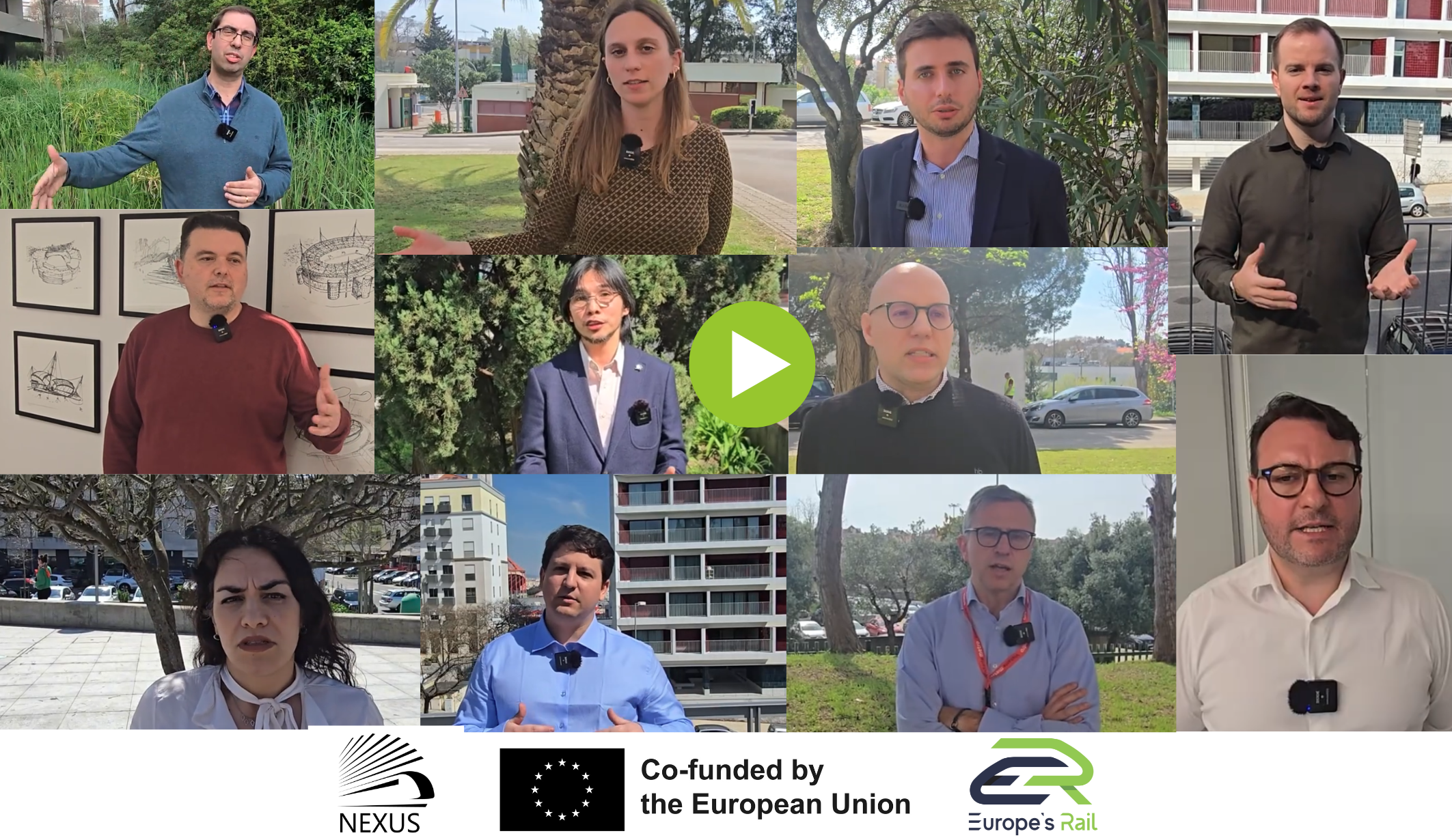
As our EU-Rail NEXUS project approaches the culmination of its work, two new videos offer an inside look at the project’s achievements and future impact.
Through interviews with consortium partners, viewers can discover how advanced digital twins, system modelling, optimisation methods, cybersecurity strategies, predictive maintenance, 5G connectivity and adaptive metro technologies are transforming urban rail operations.
Explore how the knowledge, tools and technologies developed within NEXUS are creating lasting value for transport operators and contributing to more sustainable, connected and passenger-centred mobility systems across Europe.
As Europe prepares for the future deployment of Digital Automatic Coupling (DAC), several complementary initiatives, including EDDP, FP5-TRANS4M-R, DACFIT and FP5-DACtiVat, are working together to support its development and roll-out.
To help stakeholders navigate this complex transformation, the DACFIT project, in collaboration with experts from across the sector, has compiled a comprehensive FAQ covering more than 150 questions on DAC technology, deployment, migration, financing, policy, and operational challenges.
The resource provides a valuable overview of the current state of rail freight transport, ongoing European initiatives, technical solutions, migration pathways, and the broader legal, market and industrial considerations surrounding DAC implementation.

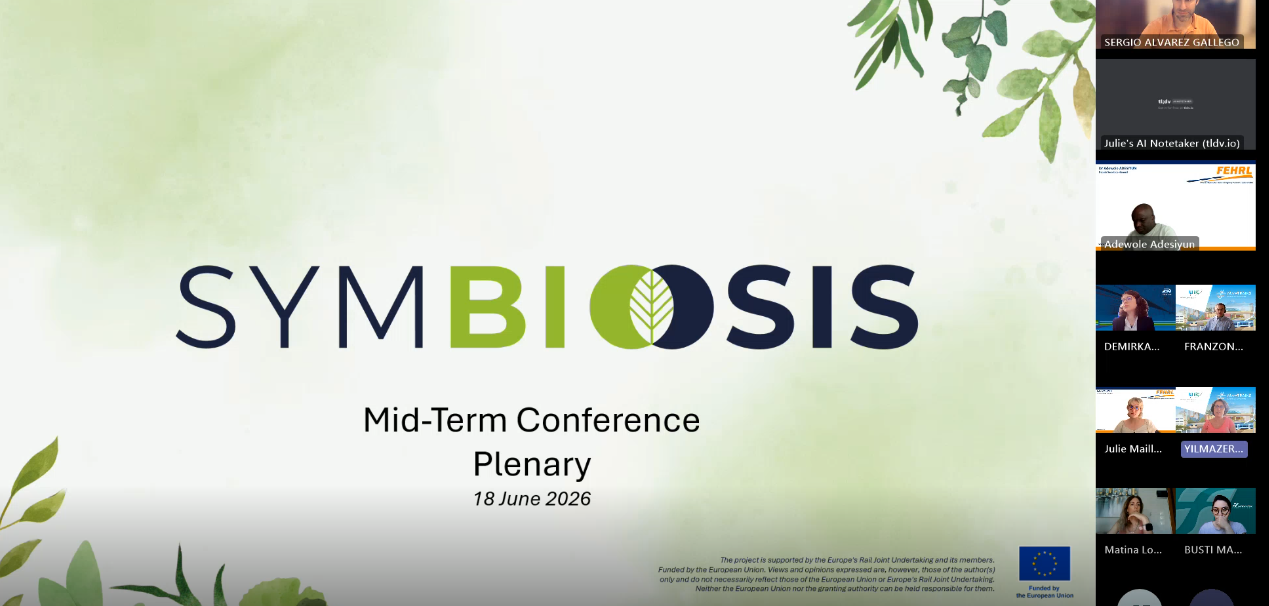
Our EU-Rail SYMBIOSIS project held its online Plenary Meeting on 18 June as an open event, bringing 50 participants including project partners, members of the Advisory Board, Technical Stakeholder Group, and other interested experts.
During the meeting the EU-Rail Project Officer welcomed participants and emphasised the growing importance of biodiversity in transport infrastructure and the relevance of SYMBIOSIS in supporting European biodiversity objectives. Partners presented the latest developments across the different work packages, highlighting recent technical achievements and ongoing activities.
Particular attention was given to fostering dialogue between the project consortium and the stakeholder including through interactive question-and-answers. This encouraged the exchange of experiences, knowledge and perspectives to support more environmentally friendly transport infrastructure and operations.
Four abstracts have been submitted to the IENE Conference 2026 (21–25 September, Bristol, UK), including a proposal for a 90-minute interactive session entitled “Integrating Biodiversity into Climate-Resilient Infrastructure: Insights from the SYMBIOSIS Project”.
An online workshop on integrating biodiversity into company strategies, procurement processes, and supply chains will take place on 9 July. Through cooperation and stakeholder engagement, SYMBIOSIS contributes to more sustainable and resilient transport systems across Europe.
The EU-Rail FRMCS Deployment Group released the second edition of its FRMCS Deployment Questionnaire in early June 2026. Distributed through representative associations, the questionnaire is designed to gather up-to-date information on stakeholder intentions and readiness in advance of FRMCS deployment.
Building on the success of the 2025 survey, the 2026 edition has been updated and expanded in scope. It now includes additional stakeholder categories, notably Public Mobile Network Operators (P-MNOs) and Notified Bodies (NoBos).
An online information session on 24 June clarified the questionnaire’s structure and content, ensuring a common understanding among all participants.
Results will be compiled in a report due in mid-September 2026 and will contribute to updating the Advice to the ERA. A high response rate is essential to developing recommendations that accurately reflect deployment realities across Europe.
To participate, complete the survey at the following link and send it to
On 16 June 2026, two FP5-FDFTO Sounding Boards were held within the framework of the DAC Deployment Group (formerly EDDP). The events brought together representatives from across the European rail freight ecosystem, including the railway industry, NSAs and railway workers.
The first Sounding Board focused on DAC technology and operations. The second addressed workers’ and unions’ perspectives, with ETF (The European Transport Workers’ Federation) participants from several countries attending.
The Sounding Boards included webinars on FP5-TRANS4M-R and DAC developments and visits to the Train Test Lab in Berlin-Spandau. High demand led to in-person registrations filling up weeks in advance. Approximately 40 attendees observed the live demonstration of DAC technology on wagons and engaged directly with FP5-TRANS4M-R experts.
Lively discussions and numerous questions during the FP5-TRANS4M-R presentations on DAC and hybrid coupler specifications, energy and data systems, train functions, testing and demonstrations reflected participants’ strong interest in the DAC technology and its deployment.
DAC Deployment Group – FP5 FDFTO Sounding Boards enable railway stakeholders to become acquainted with upcoming innovations and the latest developments at an early stage in a transparent way and to provide valuable feedback to the project. The next Sounding Board will take place on 16 November 2026.
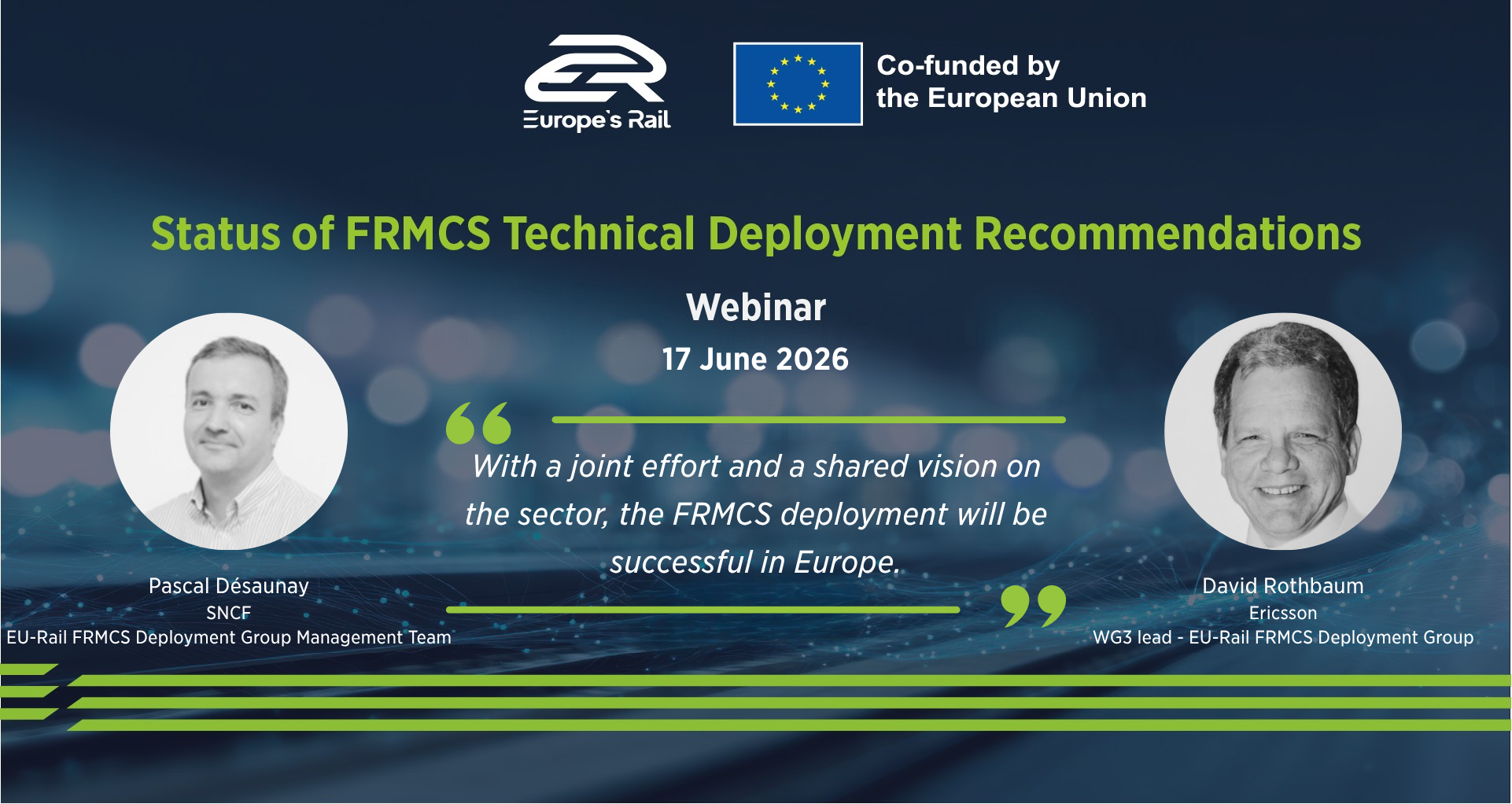
On 17 June, the EU-Rail FRMCS Deployment Webinar brought together more than 200 railway stakeholders from across Europe to review progress and address key implementation challenges in the rollout of the Future Railway Mobile Communication System (FRMCS).
Pascal Désaunay, Director of International Projects at SNCF Groupe and member of the EU-Rail FRMCS Deployment Group Management Team, set the stage with a presentation on the Group’s strategic role in facilitating a structured, sector-wide transition to FRMCS, a system designed to serve the full scope of European rail operations, both passenger and freight.
David Rothbaum, Director of Business Development, Mission Critical Networks at Ericsson and EU-Rail FRMCS Deployment Group Principal Consultant for Rail Digitalisation and Mission-Critical Networks, provided an update on the status of the technical deployment guidelines currently under development.
As part of the 2026 Status of FRMCS Deployment series, the webinar addressed a range of implementation challenges, including radio coexistence, rooftop antenna installation constraints on rolling stock, RMR–MNO considerations in cross-border environments, migration scenarios, and the mapping of non-MCX/non-ETCS FRMCS-using applications.
Working group updates reinforced the breadth of the coordination effort, covering technology, finance, legal, and deployment dimensions, all aligned with the wider European rail modernisation agenda, including ETCS and Digital Automatic Coupling. A lively Q&A session followed, during which participants raised a wide range of questions, reflecting their strong interest in the topics discussed.
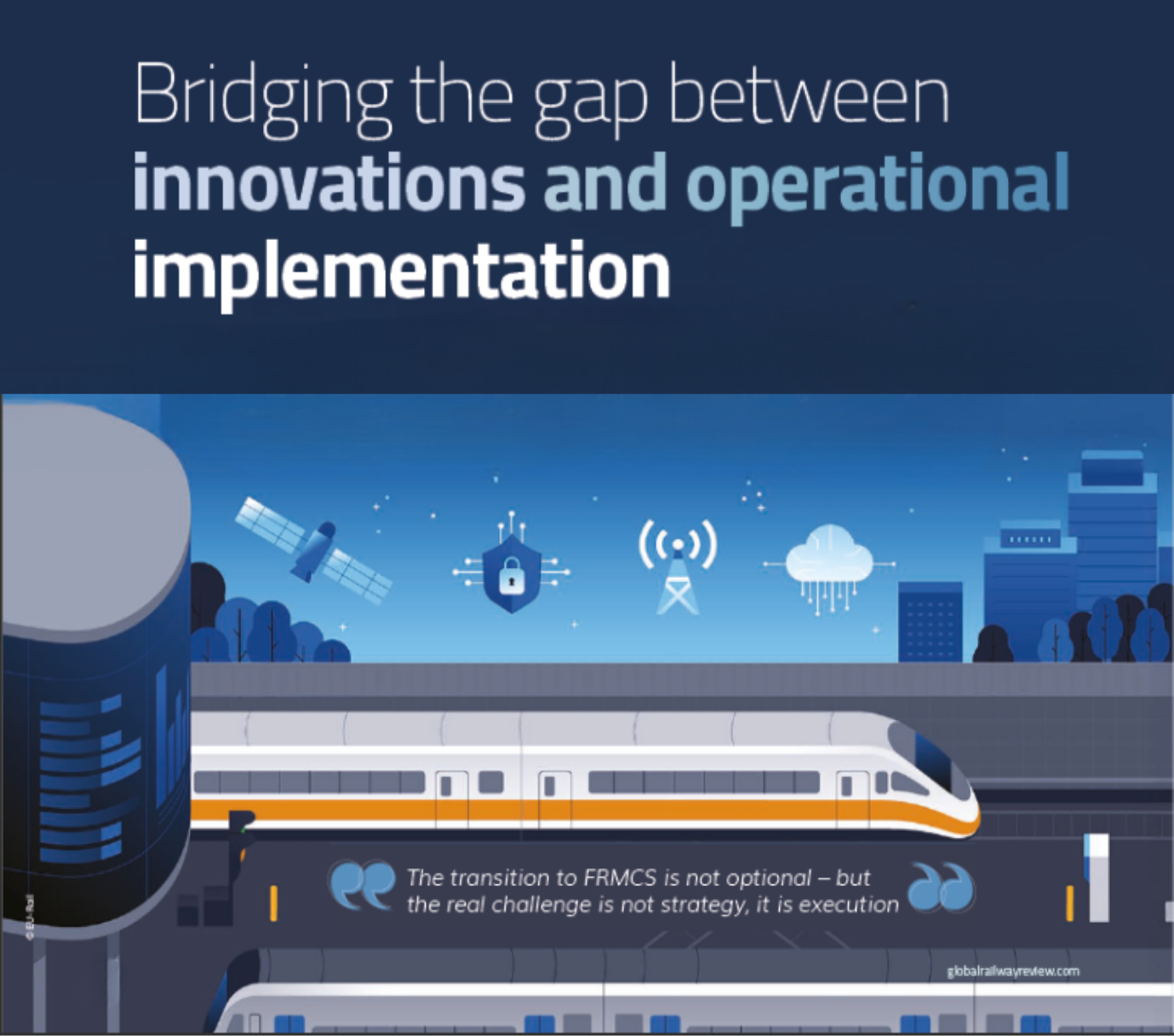
Is Innovation Europe’s Biggest Rail Challenge, or Is Operational Implementation? In the latest volume of the Global Railway Review, Karel van Gils, Senior Programme Manager and Seconded National Expert at EU-Rail, argues that the most pressing challenge lies in bridging the gap between the twodeplo
Drawing on sharp, practical insight, he examined why translating railway digitalisation ambitions into operational reality is far more complex than it appears, and what it concretely takes to get there.
Key takeaways from his analysis:
On 9 June, the eleventh plenary meeting of the FRMCS Deployment Group was held, focusing on national FRMCS deployment plans and progress in the group’s ongoing activities.
A key part of the meeting was devoted to national deployment plans. Mats Malmström (Trafikverket) presented the Swedish FRMCS deployment approach, while Joost van Gennip (NS), Jos Nooijen (ProRail) and Johanna Nes (Dutch Ministry of Infrastructure) introduced the Dutch plan. Discussions highlighted common challenges related to migration timelines, rolling stock adaptation and overall feasibility.
The group also reviewed progress across the FRMCS working groups. Updates covered technical, cost-modelling and migration-related workstreams, including the development of the cost model, transversal activities, and the deployment survey, risk assessment and programme dashboard.
The meeting concluded with an outlook on upcoming milestones and communication activities, including webinars and participation in InnoTrans.
Join the InBridge4EU event, where consortium members will provide information on the programme’s motivation, objectives and results achieved and discuss key questions regarding the future of bridge dynamics and normative assessment.
When: 8–9 July 2026
Where: KTH, Stockholm and online (hybrid)
The EU-Rail NEXUS project is working towards a future where metro systems are technologically advanced, environmentally sustainable, socially responsible, and operationally efficient.
Over the past two years, NEXUS has developed and validated innovative solutions through its use cases in Genoa (Italy) and Sofia (Bulgaria). At its final event, the consortium will present the project’s key results, including:
The NEXUS Final Event will bring together transport stakeholders, metro operators, researchers, policymakers, and industry representatives to discuss the future of urban rail transport.
Further information regarding the venue, agenda, speakers, and registration will be announced soon.
When: 26 September
Where: Brussels
Our EU-Rail FP3-IAM4Rail project will host its Final Event in Madrid, bringing together key actors from the European rail sector to present the main results, impacts and future perspectives of the project.
The event will showcase innovative solutions for Intelligent Asset Management, including project outcomes, live demonstrations of developed tools and platforms, and discussions on how digital technologies can transform rail infrastructure management across Europe.
It will also offer a unique opportunity to exchange with policymakers, infrastructure managers, industry leaders, researchers and the European railway innovation community.
When: 27 October | 9:00-18:30
Where: CEDEX Building, Atocha – Madrid, Spain
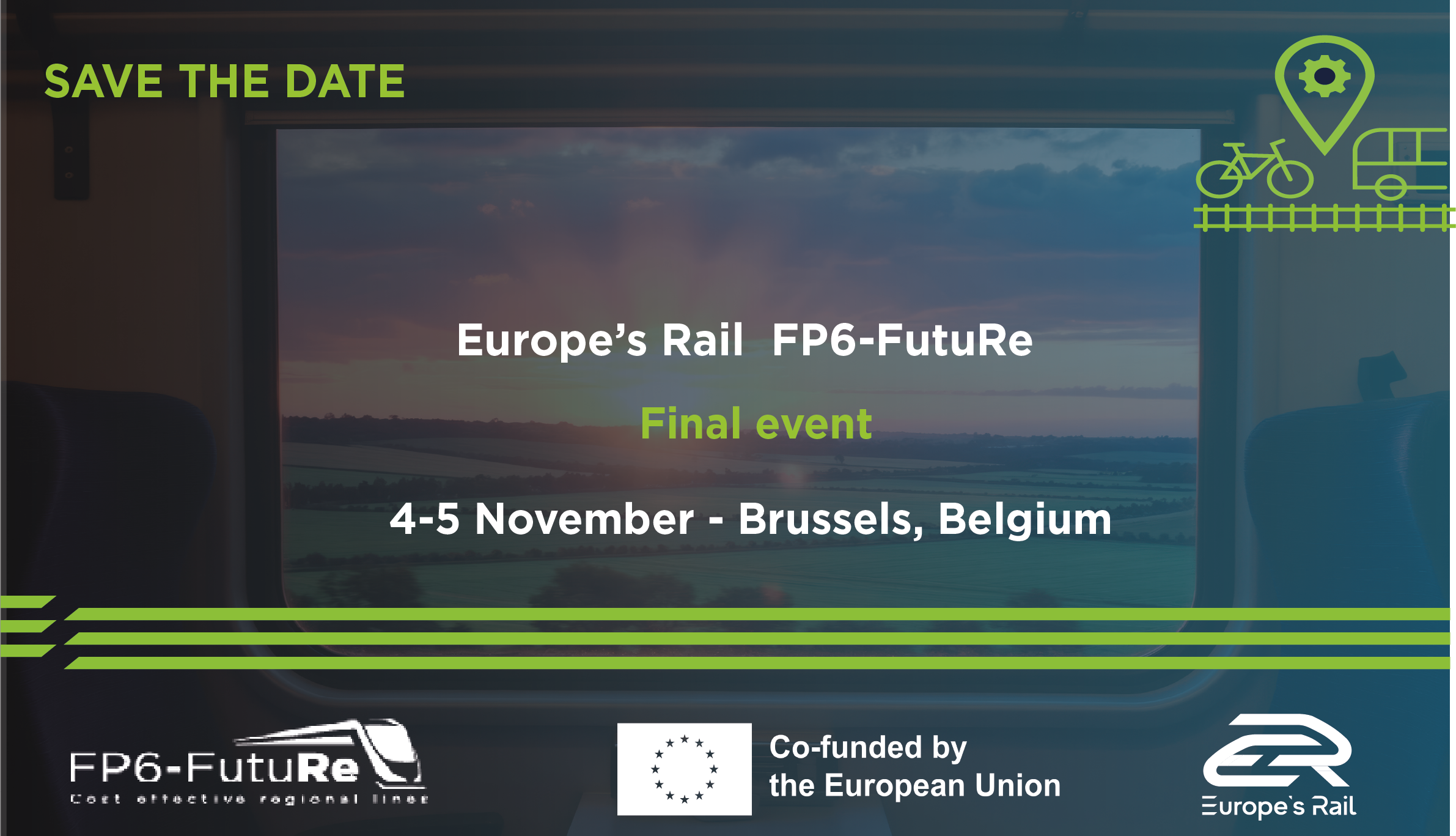
Following the success of our EU-Rail FP6-FutuRe Mid-Term event held in September 2025, preparations are now ongoing for the project’s Final Event.
The Final Event will mark a key milestone for FP6-FutuRe, showcasing the project’s results and the innovative solutions developed to support the revitalisation of regional rail lines across Europe.
The event will combine the presentation of FP6 outcomes, continuity with the discussions initiated during the Mid-Term round tables, and the demonstration of selected solutions developed within the project.
Further details on the agenda, venue, and registration will follow shortly.
EU-Rail and project’s partners look forward to collaborating with you to ensure strong visibility and impact for this important milestone.
When: 4-5 November 2026
Where: Brussels
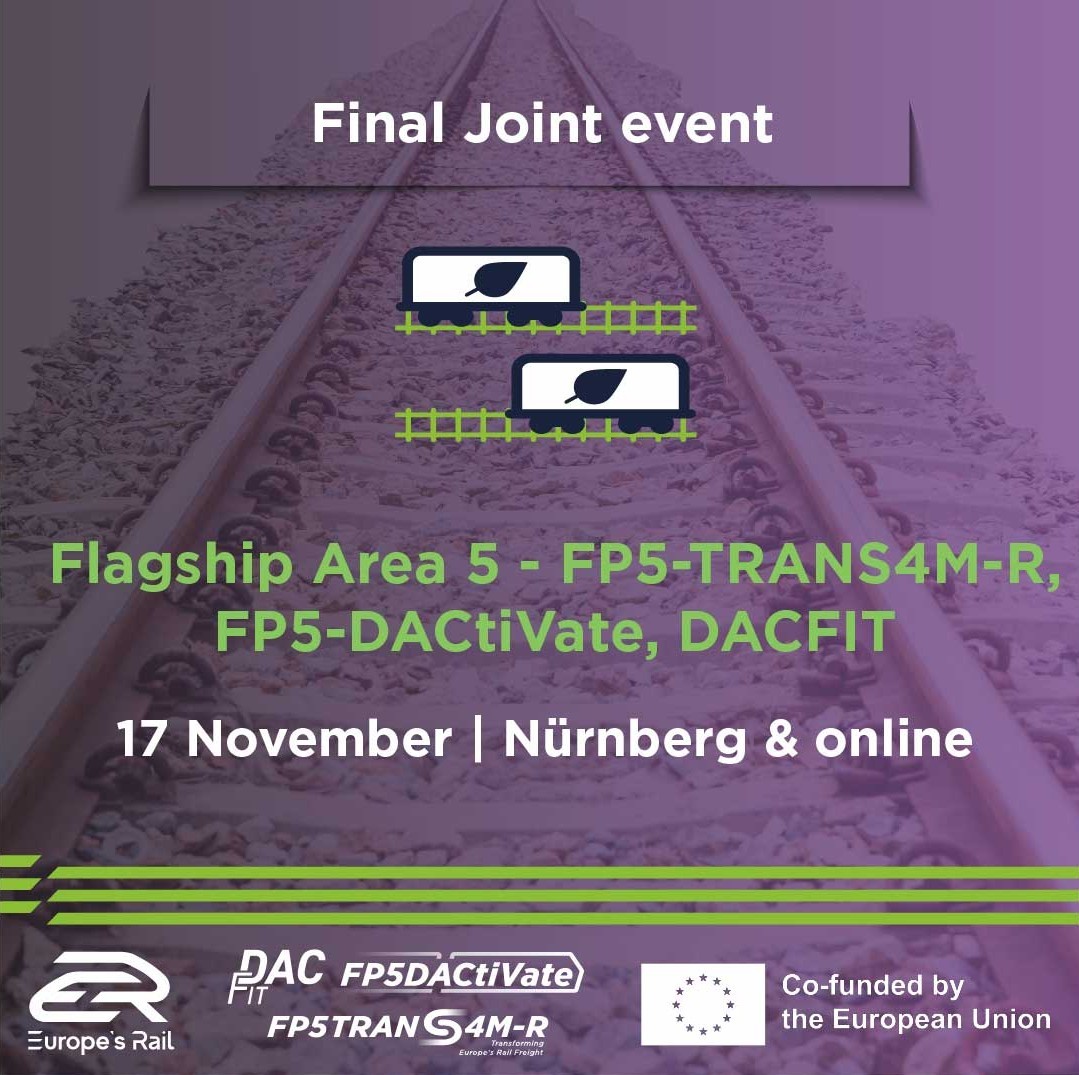
The projects FP5-TRANS4M-R, FP5-DACtiVate, and DACFIT will jointly organise a final event to present their achievements and provide an outlook on future developments.
When: 17 November
Where: Nürnberg, Germany
More information will come soon.