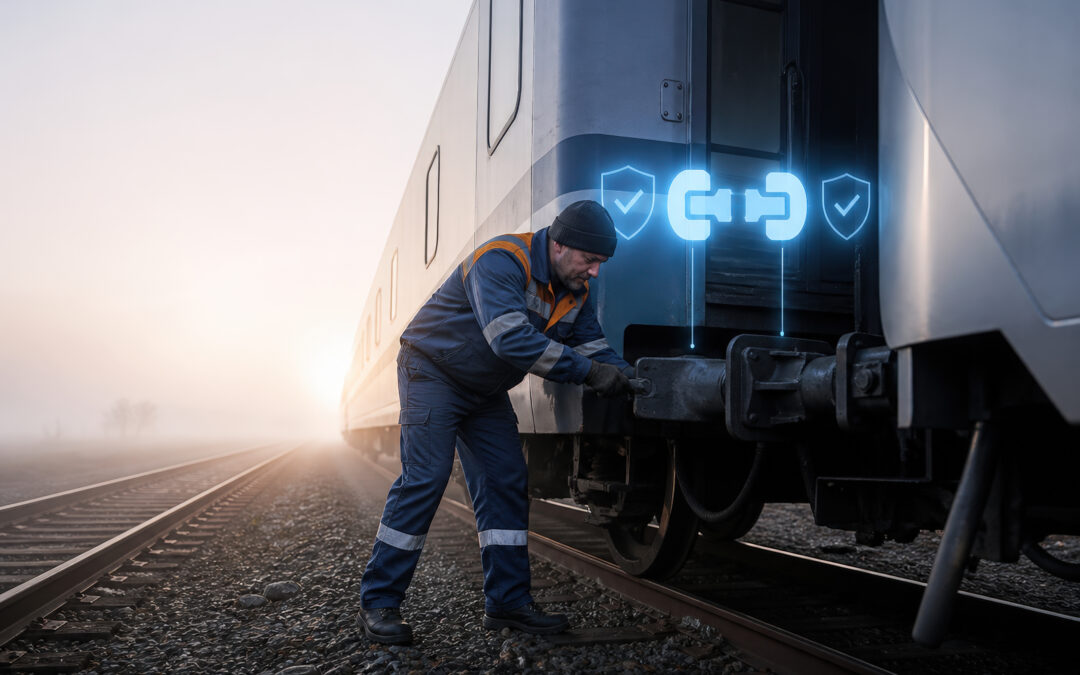
Pods4Rail D10.1 Concept development for equipment of sample vessel Pods4Rail develops a modular, autonomous transport...
Deliverables: Results Published in October 2026
read more
A body of the
European Union

Access the list of all EU-Rail Calls for Proposals.

On 21 June 2024, the Governing Board of Europe’s Rail Joint Undertaking (EU-Rail) adopted a Call for Expression of Interest (CEI) with a view to selecting associated members with the potential to contribute to the achievement of its objectives. The Governing Board decision can be accessed here.
Discover detailed information about procurment rules and information.
Access detailed information about past tenders.

Europe's Rail regularly published Calls for Tenders. To find out about open Calls, follow link below.

Article 15 (Principle of transparency) of the EU-Rail financial rules states that the JU shall make available on its internet site no later than 30 June of the following financial year information on the recipients of funds deriving from its budget.

EU-Rail’s Innovation Pillar (IP) is tasked to deliver operational and technological solutions that contribute to a more efficient, flexible, and demand-led, yet safe and environmentally sustainable European railway system.

The System Pillar provides governance, resource, and outputs to support a coherent and coordinated approach to the evolution of the rail system and the development of the system view.
The Deployment Group advises the EU-Rail Governing Board on the market uptake of rail innovation developments and support their deployment.
For a successful and effective implementation of the Digital Automatic Coupler for European rail freight (DAC), it is of crucial importance to have open, close and efficient cooperation between rail stakeholders. The European DAC Delivery Programme enabled by Europe’s Rail, offers a unique European platform for such cooperation and collaboration.
Discover how Europe’s Rail Joint Undertaking is calling for a bold, coordinated investment strategy to simplify and modernise rail systems across the EU. This public-private partnership model – outlined in our High-Level Paper – proposes an €18 billion investment from 2028 to 2034 to strengthen European competitiveness, deliver greener transport, and drive technological sovereignty.

The Shift2Rail Joint Undertaking is the predecessor programme of the Europe's Rail Joint Undertaking (EU-Rail), established by Council Regulation (EU) 2021/2085 of 19 November 2021.

Discover detailed information on Europe's rail innovation initiatives, showcasing flagship and other projects aimed at enhancing rail systems across Europe. It highlights collaborative efforts funded by the European Union to develop sustainable, efficient, and competitive rail transport solutions.

Europe’s Rail Catalogue of Solutions illustrates successful R&I results in the form of possible products and solutions, while highlighting the benefits for final users, operators, infrastructure managers and/or suppliers. This publication also outlines the advantages of integrating demonstrators into market solutions so that they can deliver the rail innovation Capabilities of the future.
Europe’s Rail Joint Undertaking (EU-Rail) is the European partnership on rail research and innovation established under the Horizon Europe programme (2020-2027) and the universal successor of the Shift2Rail Joint Undertaking.

Find out the full list of Europe's Rail Members.

Discover the full structure and governance of Europe's Rail, including the decisions of the Governing Board.

Get access to Europe's Rail main reference documents, including Annual Work Plans, Annual Activity Reports, Annual Accounts and other important information.
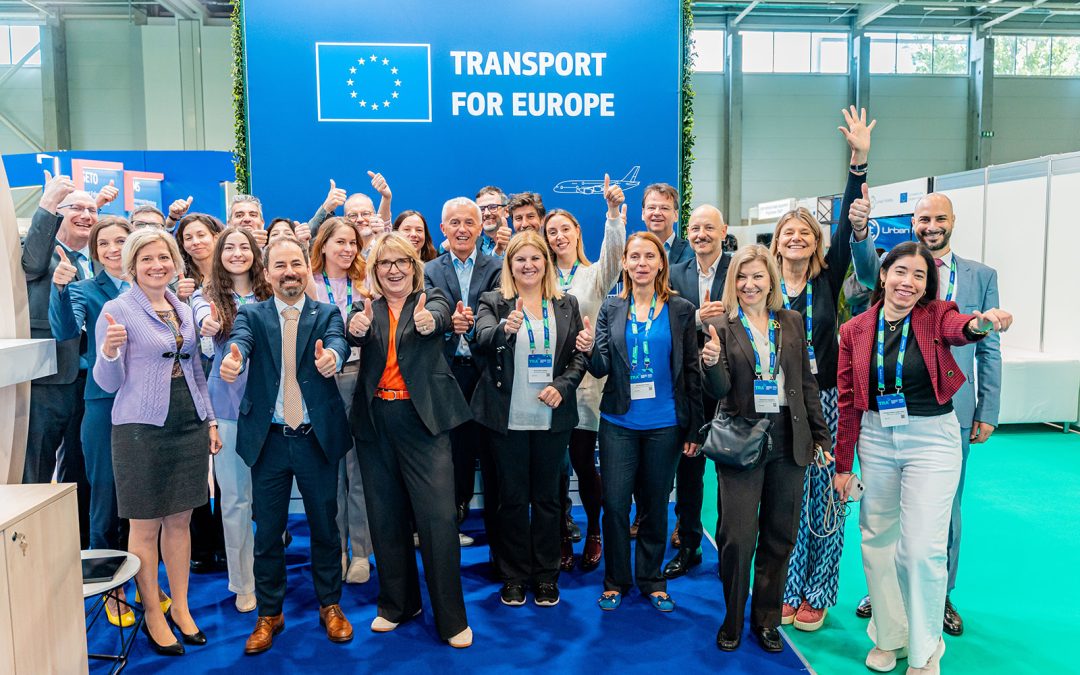
From 18 to 21 of May, Europe’s Rail Joint Undertaking played a leading role at the Transport Research Arena (TRA) 2026 in Budapest, Europe’s flagship conference for transport research and innovation covering all transport modes and mobility aspects. This year edition put the spotlight on young researchers and next‑generation solutions, gathering academia, industry, policymakers, and civil society to share European and global know‑how and shape the future of transport research.
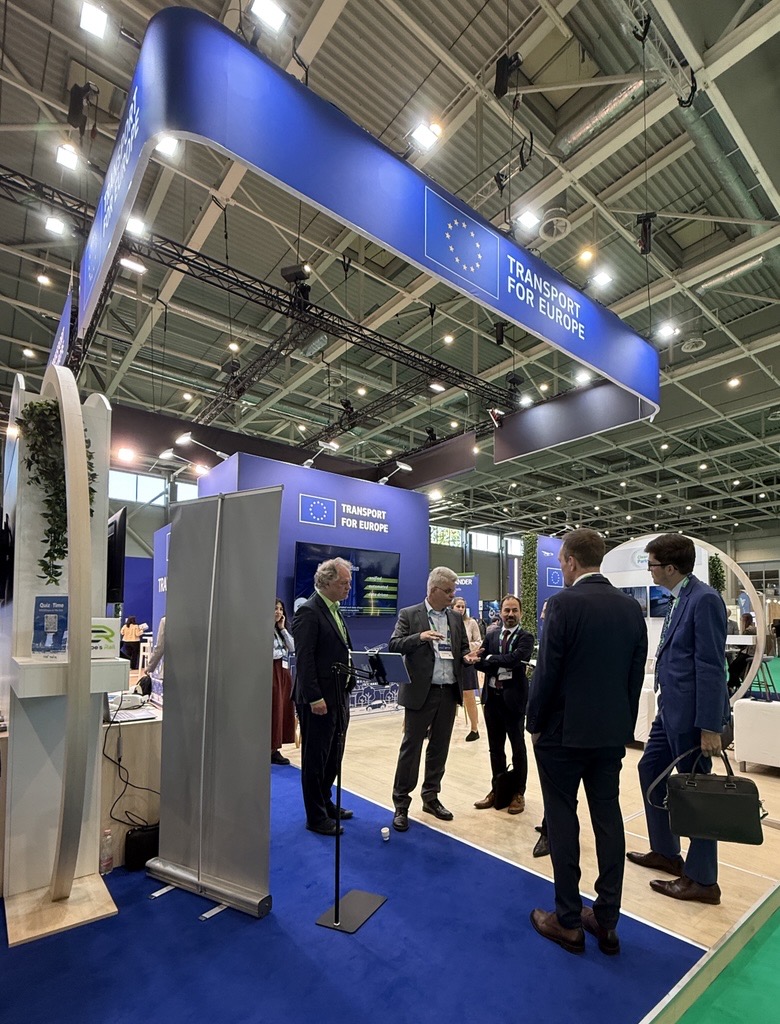
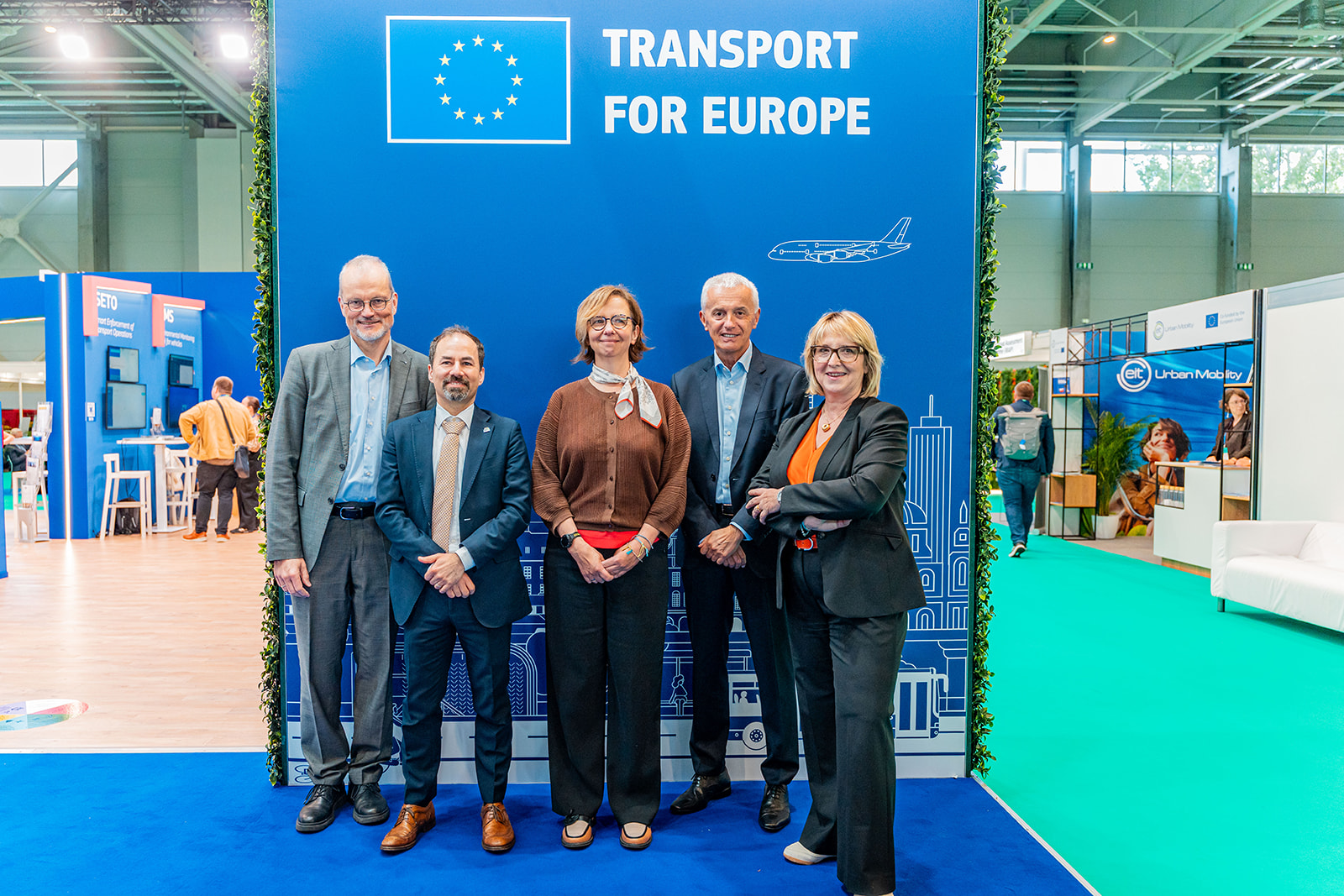
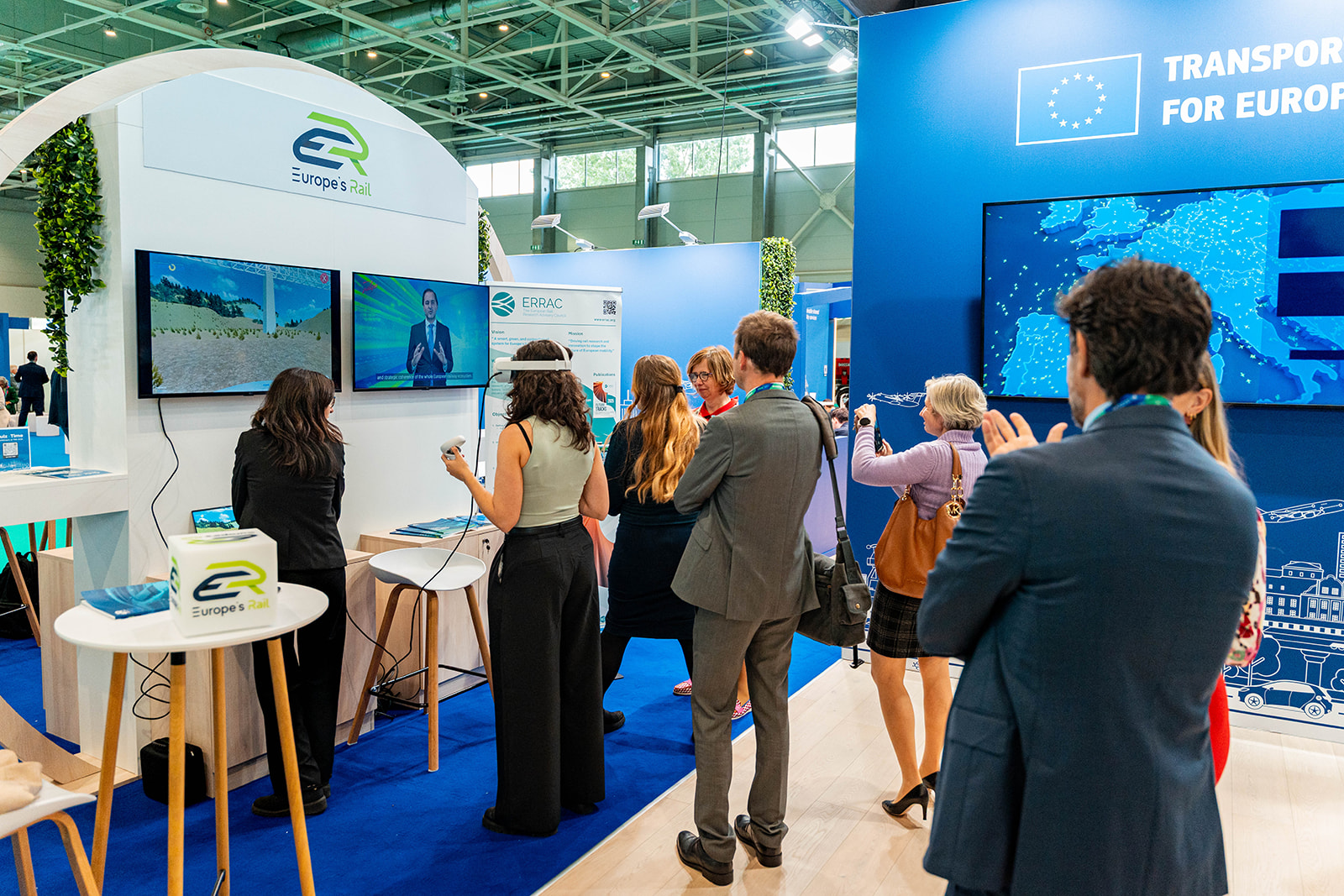
Over the three days, EU-Rail actively contributed to high-level sessions and presentations while also being present in the exhibition area with the joint stand Transport for Europe where, together with the European Commission, SESAR Joint Undertaking, Clean Hydrogen Partnership and Clean Aviation
At the stand, the EU-Rail team showcased VR demos from the FP3-Iam4Rail and FP4-Rail4Earth projects on Digital Twin solutions for bridge and station management, alongside the new Interactive Catalogue of Solutions presenting innovations developed across its flagship and exploratory research projects.
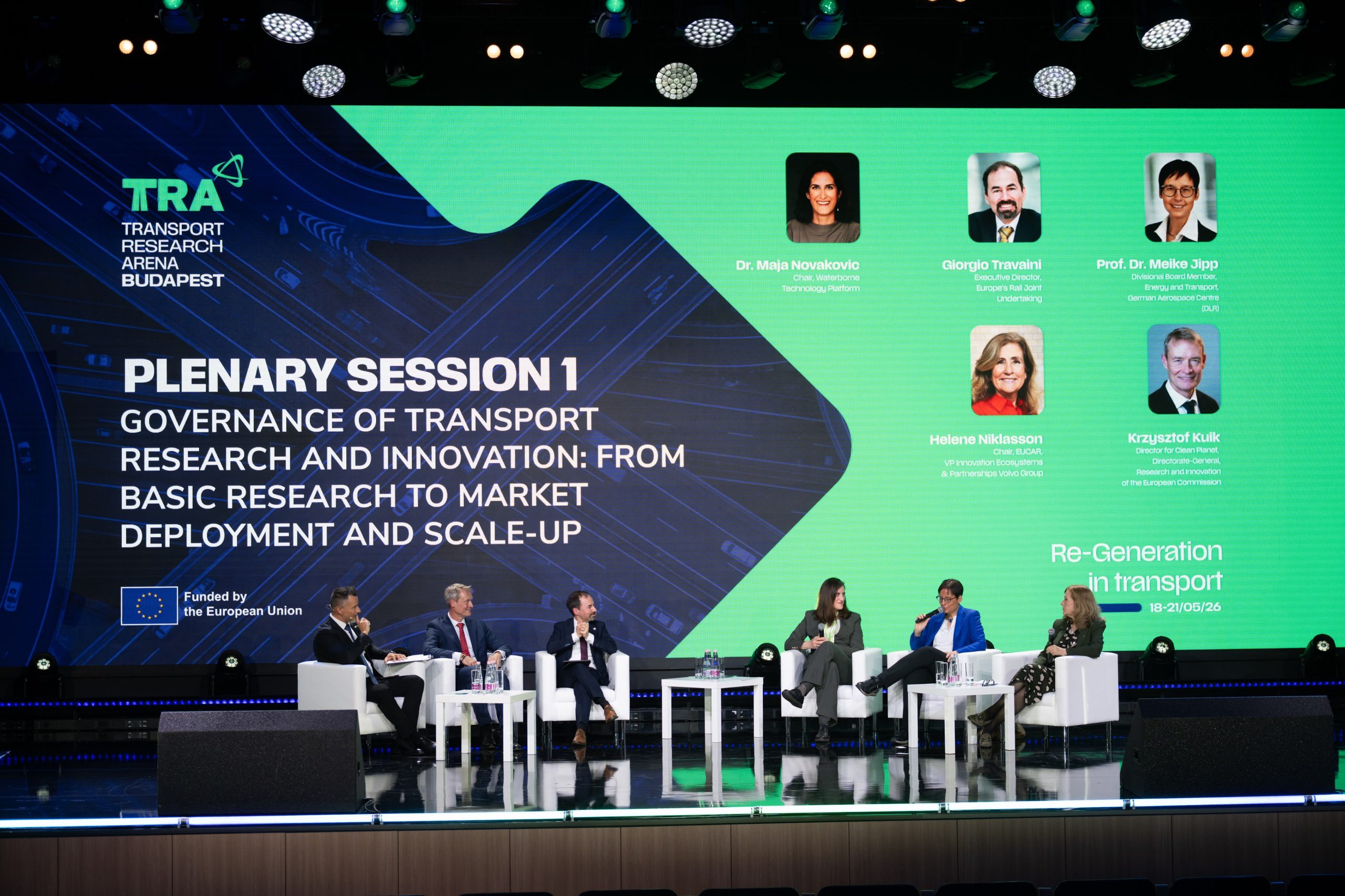
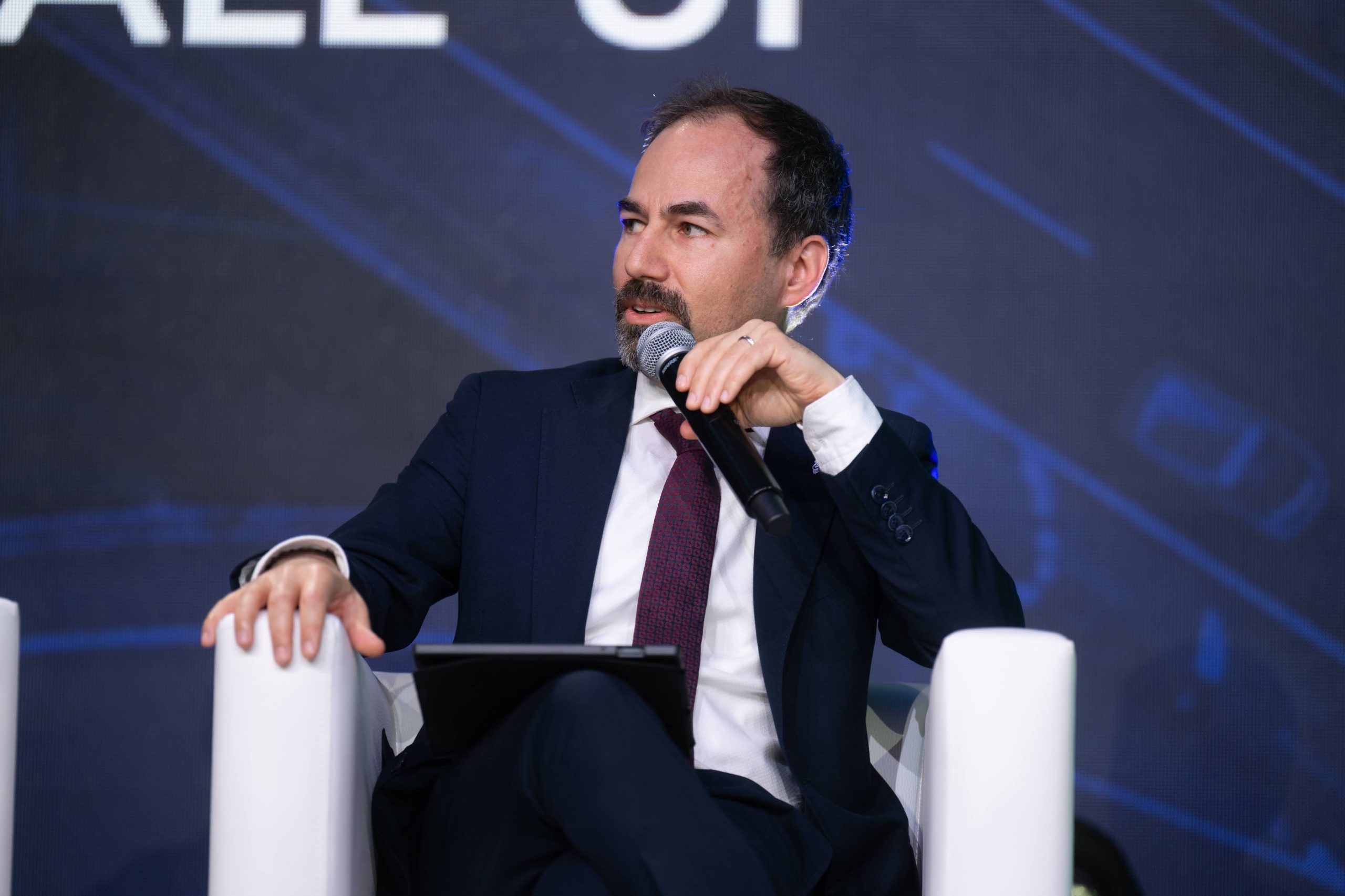
On the opening day, EU-Rail Executive Director Giorgio Travaini, took part in the Plenary Session “Governance of transport research and innovation: from basic research to market deployment and scale-up“. Giorgio underlined a key structural challenge for the rail sector: while infrastructure lifecycles can extend up to 100 years and rolling stock remains in service for decades, innovation must go beyond technology development alone and ensure system-wide integration and real-world deployment. Furthermore, he highlighted the role of EU-Rail in advancing a mission-oriented public-private partnership model that connects research, harmonisation, and real-world implementation to strengthen Europe’s competitiveness and decarbonisation objectives.
During the day, Magda Kopczyńska, Director-General for Mobility and Transport at the European Commission, also visited the Transport for Europe stand, where the EU-Rail team presented its new Interactive Catalogue of Solutions.
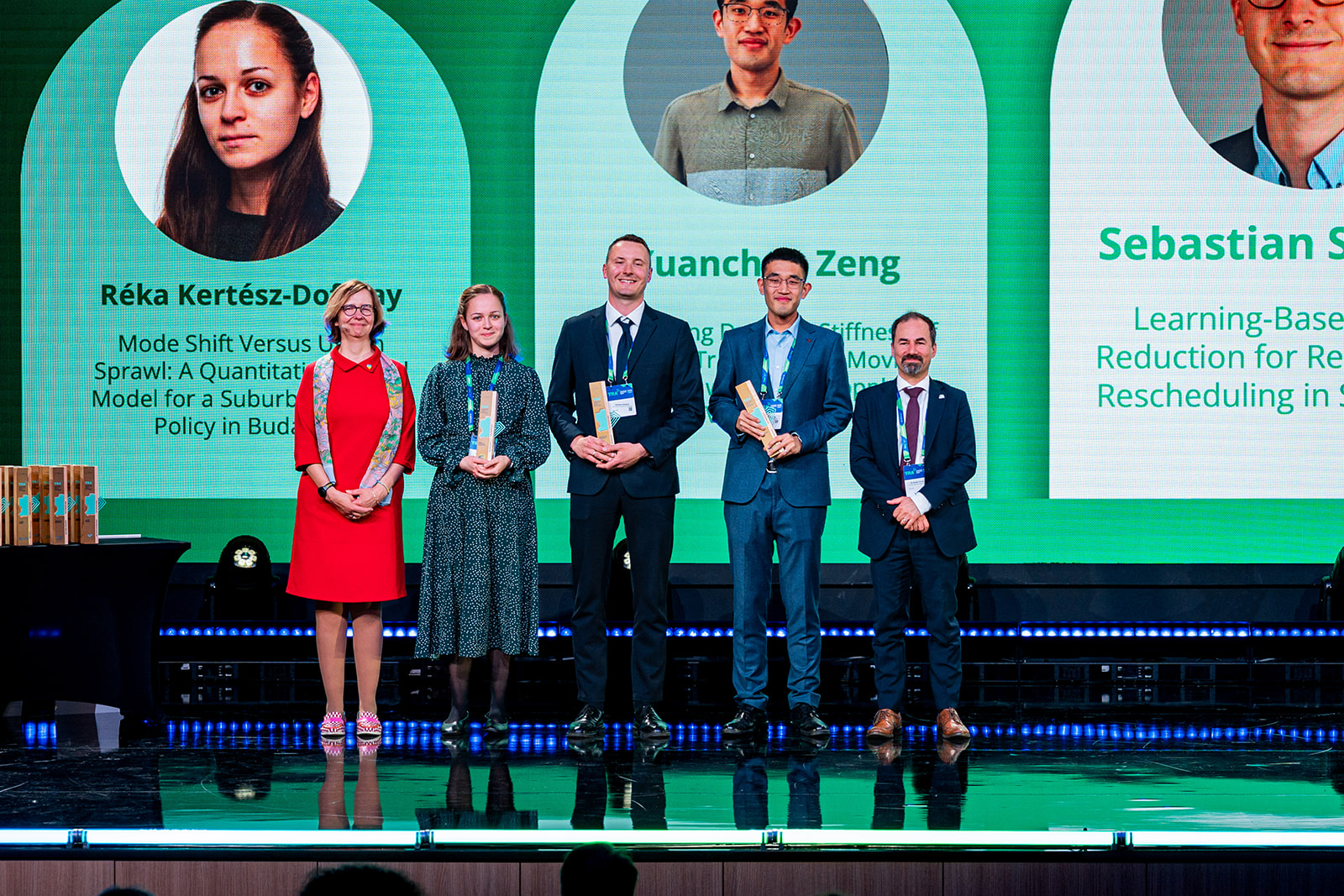
The day concluded with the TRA VISIONS Young Researcher Award ceremony, supported by EU-Rail for the Rail category, celebrating master’s and PhD students, as well as recent graduates, for research with strong potential to support the transformation of the European rail sector.
The ceremony reaffirmed the importance of supporting emerging talent as a driving force for the next generation of rail innovation in Europe.
On 19 May, the Joint JU Networking Reception held at the Transport for Europe stand brought together representatives from across the European transport innovation community, fostering exchanges between projects, institutions, industry stakeholders and researchers.
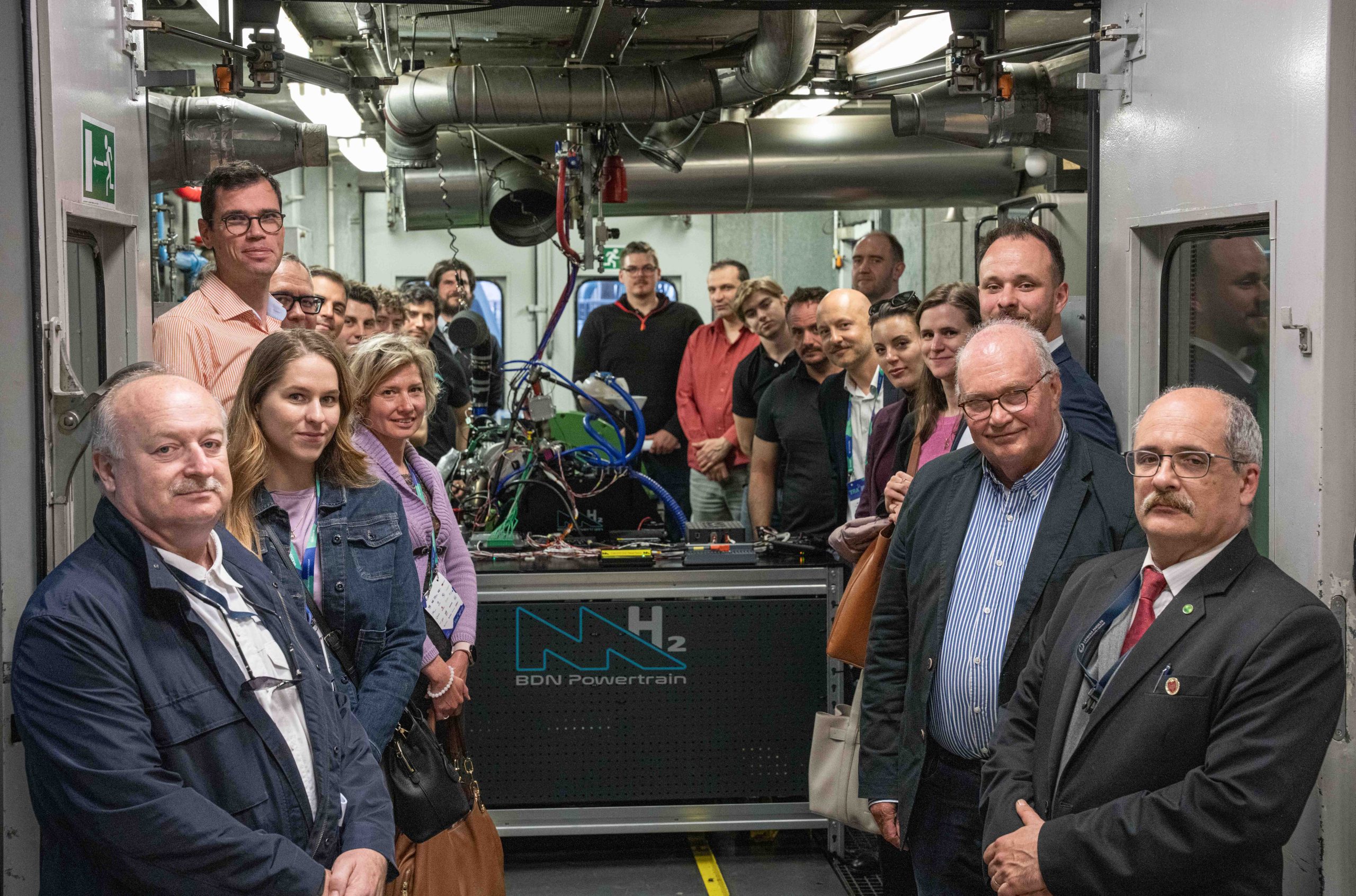
Furthermore, the EU-Rail team participated in a high-level technical demonstration hosted at the Budapest University of Technology and Economics, where BDN Powertrain presented its hydrogen–diesel dual-fuel retrofit technology together with its proprietary AI-driven Engine Development Platform.
The demonstration provided participants with direct insight into BDN Powertrain’s retrofit solution, designed to enable existing diesel engines to operate with integrated hydrogen systems. EU-Rail participation underscored its commitment to staying at the forefront of innovation and strengthening collaboration with academia and the start-up ecosystem in support of emerging hydrogen and rail technologies.
The third day featured a key moment of engagement with the European Rail Research Advisory Council (ERRAC), as Dr. Ralf Kaminsky (Siemens), Michael Meyer zu Hoerste (German Aerospace Center – DLR), and Dr. Claudia Elif Stutz (German Federal Ministry of Transport) visited the EU-Rail booth. The visit provided an important opportunity to exchange views with representatives of Europe’s central platform shaping the future of rail transport through research and innovation.
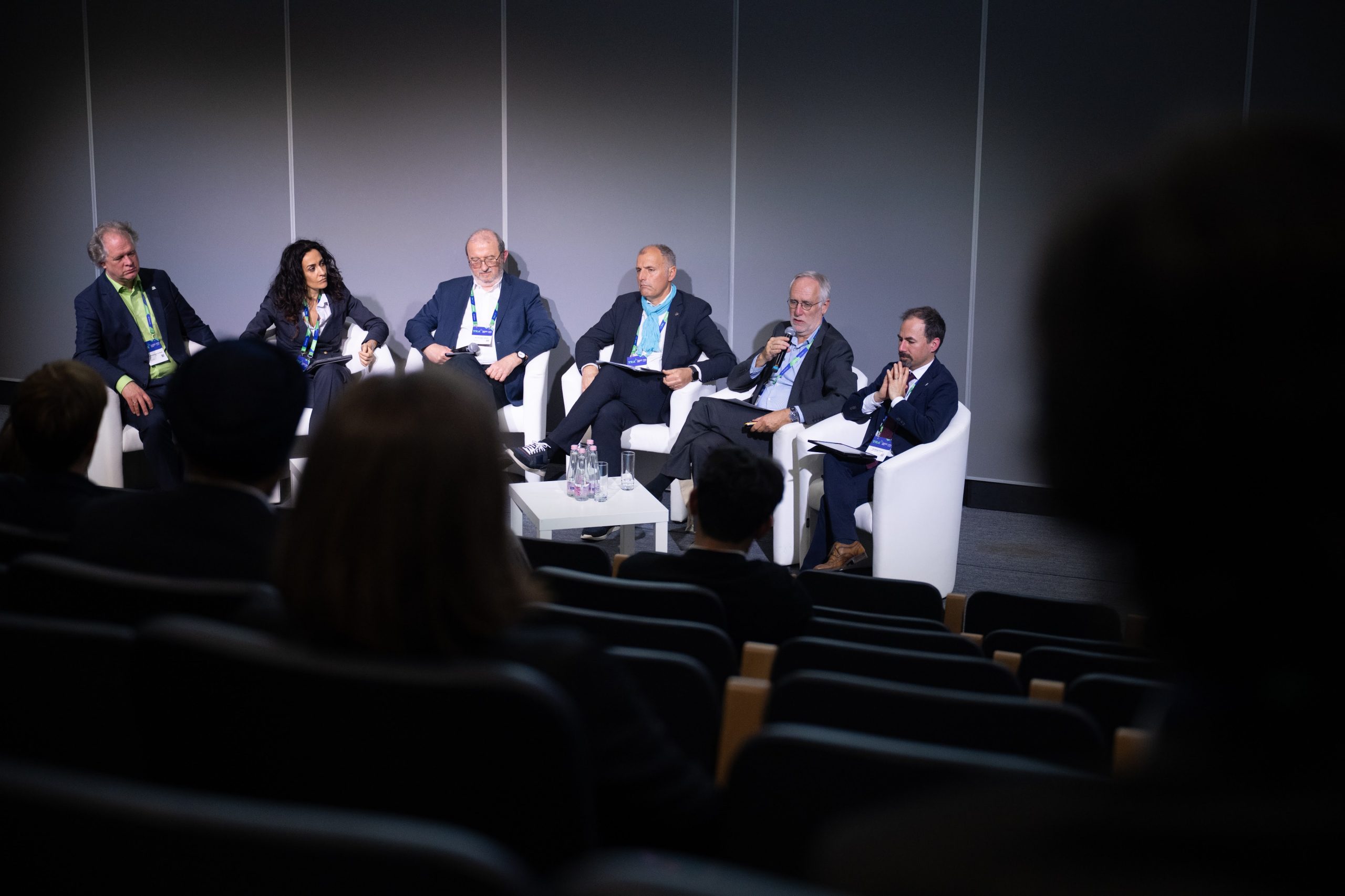
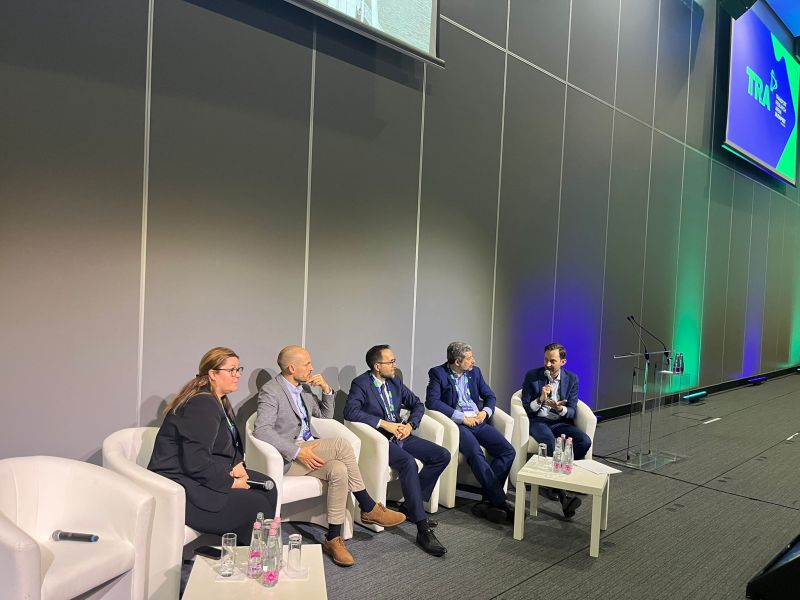
A key highlight was the special session “Shaping the Future of European Rail: Europe’s Rail Results and Vision for a Future PPP for Rail”, moderated by EU-Rail Executive Director Giorgio Travaini. The session, attended by Andrea Gentili (DG RTD, European Commission, Joachim Luecking (DG MOVE, European Commission), Christophe Cheron (SNCF), Mariella Guerricchio (Hitachi Rail) and Michael Meyer zu Hörste (DLR), focused on the achievements and future vision of Europe’s Rail, illustrating how research and innovation are strengthening the competitiveness, sustainability, interoperability, digitalisation, and resilience of the European rail system. It also introduced the Europe’s Rail High-Level Paper, which sets out strategic R&I priorities and pre-deployment activities aimed at simplifying rail operations, reinforcing core system capabilities, and guiding the next phase of European rail innovation. Discussions underlined the need to bridge the “valley of death” between pilot projects and large-scale deployment, while further enhancing agility, modularity, standardisation, and technological sovereignty. They also stressed the importance of long-term public-private partnerships, improved coordination between Horizon Europe and the European Competitiveness Fund, and stronger collaboration across the rail ecosystem to reinforce Europe’s leadership in rail innovation.
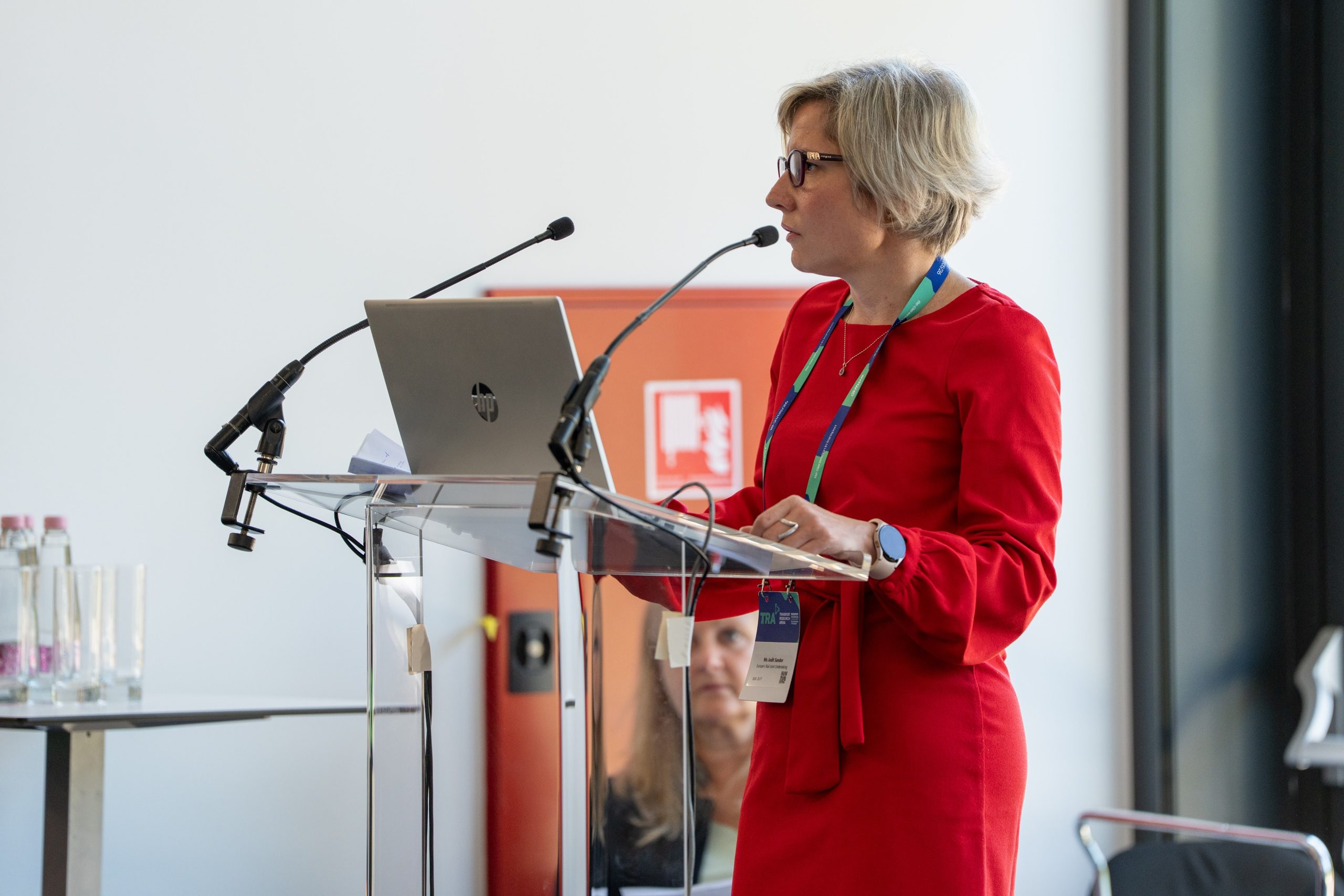
EU-Rail Programme Manager Judit Sándor contributed to the session “Multimodal Mobility Services for Passengers and Goods in Suburban and Rural Areas”, which explored how more integrated mobility solutions can improve connectivity between suburban and rural regions and major urban centres. In this context, she underlined that :
“EU-Rail flagship areas on revitalisation of regional lines can contribute to a cost efficient and customer centric railway backbone in an integrated mobility system.“
She also participated in the session “Hyperloop in the European Transport Ecosystem: Bridging Research, Industry and Policy – from Concept to Corridor”, contributing to discussions on how emerging transport concepts such as hyperloop could fit within the broader European mobility ecosystem. She underlined that:
A key lesson from rail is that fragmentation must be avoided: if Hyperloop is to become a real-network-based mobility solution, stakeholders need to harmonise frameworks at an early stage across infrastructure, levitation and track design.”
In parallel, EU-Rail Senior Programme Manager Sébastien Denis moderated the roundtable “Transforming Railway Maintenance with Robotics and Autonomous Solutions”, which examined how robotics and autonomous technologies are set to transform railway maintenance practices, improving efficiency, safety and overall system performance.
The final day of TRA 2026 marked the conclusion of four intensive and highly valuable days for EU-Rail, characterised by strong engagement and collaboration across the transport ecosystem.
The final day focused strongly on cross-sector energy integration, with EU-Rail Head of the Innovation Pillar Nicolas Furio participating in the special session “Synergies on hydrogen usage in transport applications (aviation, waterborne, rail and HDV)” organised under the Clean Hydrogen Partnership framework. The session emphasised the importance of stronger coordination across value chains to enable hydrogen scaling, including system integration, infrastructure planning, demand aggregation and alignment with EU policy frameworks.
The discussion under the Clean Hydrogen Partnership highlighted that scaling hydrogen requires stronger cross-value-chain coordination—system integration, infrastructure planning, demand aggregation, and alignment with EU frameworks.
As Nicolas underlined:
“Even with electrification, battery trains and other solutions, there is still a place for hydrogen – what is needed now is to demonstrate that we can actually use it.”
TRA 2026 confirmed the value of bringing together research, industry and policy stakeholders to accelerate transport innovation, with EU-Rail playing an active role in shaping discussions on the future of a more connected and sustainable European rail system.