As part of the preparations and impact assessment for the next legislative framework governing European partnerships...

Public Consultation: Shape the future of European partnerships
read more
A body of the
European Union

Access the list of all EU-Rail Calls for Proposals.

On 21 June 2024, the Governing Board of Europe’s Rail Joint Undertaking (EU-Rail) adopted a Call for Expression of Interest (CEI) with a view to selecting associated members with the potential to contribute to the achievement of its objectives. The Governing Board decision can be accessed here.
Discover detailed information about procurment rules and information.
Access detailed information about past tenders.

Europe's Rail regularly published Calls for Tenders. To find out about open Calls, follow link below.

Article 15 (Principle of transparency) of the EU-Rail financial rules states that the JU shall make available on its internet site no later than 30 June of the following financial year information on the recipients of funds deriving from its budget.

EU-Rail’s Innovation Pillar (IP) is tasked to deliver operational and technological solutions that contribute to a more efficient, flexible, and demand-led, yet safe and environmentally sustainable European railway system.

The System Pillar provides governance, resource, and outputs to support a coherent and coordinated approach to the evolution of the rail system and the development of the system view.
The Deployment Group advises the EU-Rail Governing Board on the market uptake of rail innovation developments and support their deployment.
For a successful and effective implementation of the Digital Automatic Coupler for European rail freight (DAC), it is of crucial importance to have open, close and efficient cooperation between rail stakeholders. The European DAC Delivery Programme enabled by Europe’s Rail, offers a unique European platform for such cooperation and collaboration.
Discover how Europe’s Rail Joint Undertaking is calling for a bold, coordinated investment strategy to simplify and modernise rail systems across the EU. This public-private partnership model – outlined in our High-Level Paper – proposes an €18 billion investment from 2028 to 2034 to strengthen European competitiveness, deliver greener transport, and drive technological sovereignty.

The Shift2Rail Joint Undertaking is the predecessor programme of the Europe's Rail Joint Undertaking (EU-Rail), established by Council Regulation (EU) 2021/2085 of 19 November 2021.

Discover detailed information on Europe's rail innovation initiatives, showcasing flagship and other projects aimed at enhancing rail systems across Europe. It highlights collaborative efforts funded by the European Union to develop sustainable, efficient, and competitive rail transport solutions.

Europe’s Rail Catalogue of Solutions illustrates successful R&I results in the form of possible products and solutions, while highlighting the benefits for final users, operators, infrastructure managers and/or suppliers. This publication also outlines the advantages of integrating demonstrators into market solutions so that they can deliver the rail innovation Capabilities of the future.
Europe’s Rail Joint Undertaking (EU-Rail) is the European partnership on rail research and innovation established under the Horizon Europe programme (2020-2027) and the universal successor of the Shift2Rail Joint Undertaking.

Find out the full list of Europe's Rail Members.

Discover the full structure and governance of Europe's Rail, including the decisions of the Governing Board.

Get access to Europe's Rail main reference documents, including Annual Work Plans, Annual Activity Reports, Annual Accounts and other important information.
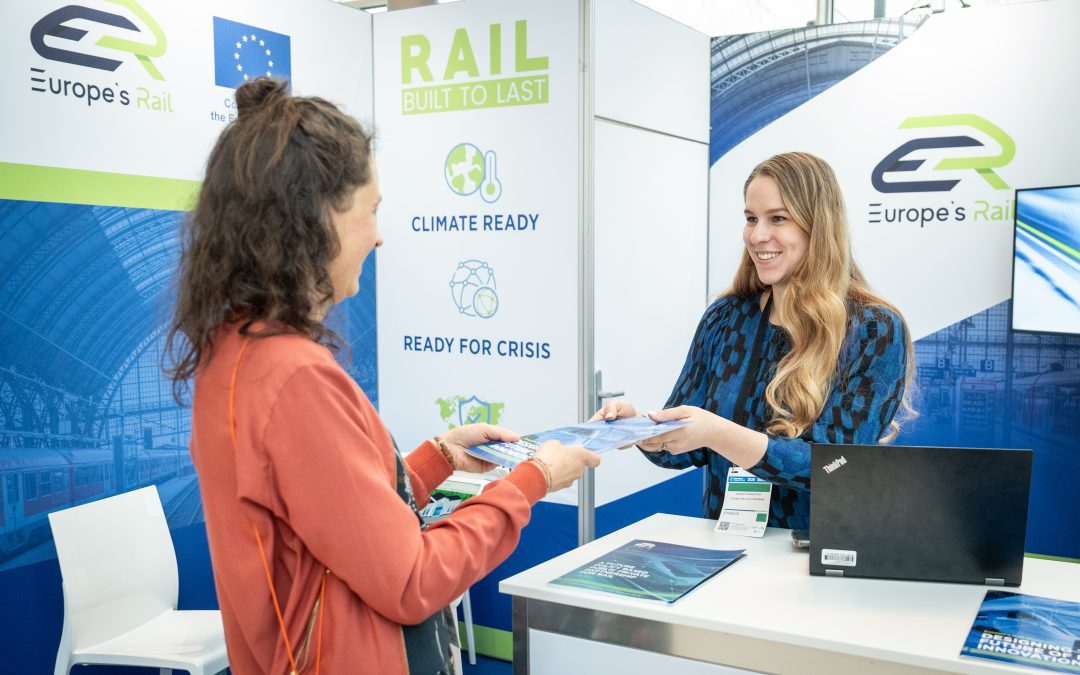
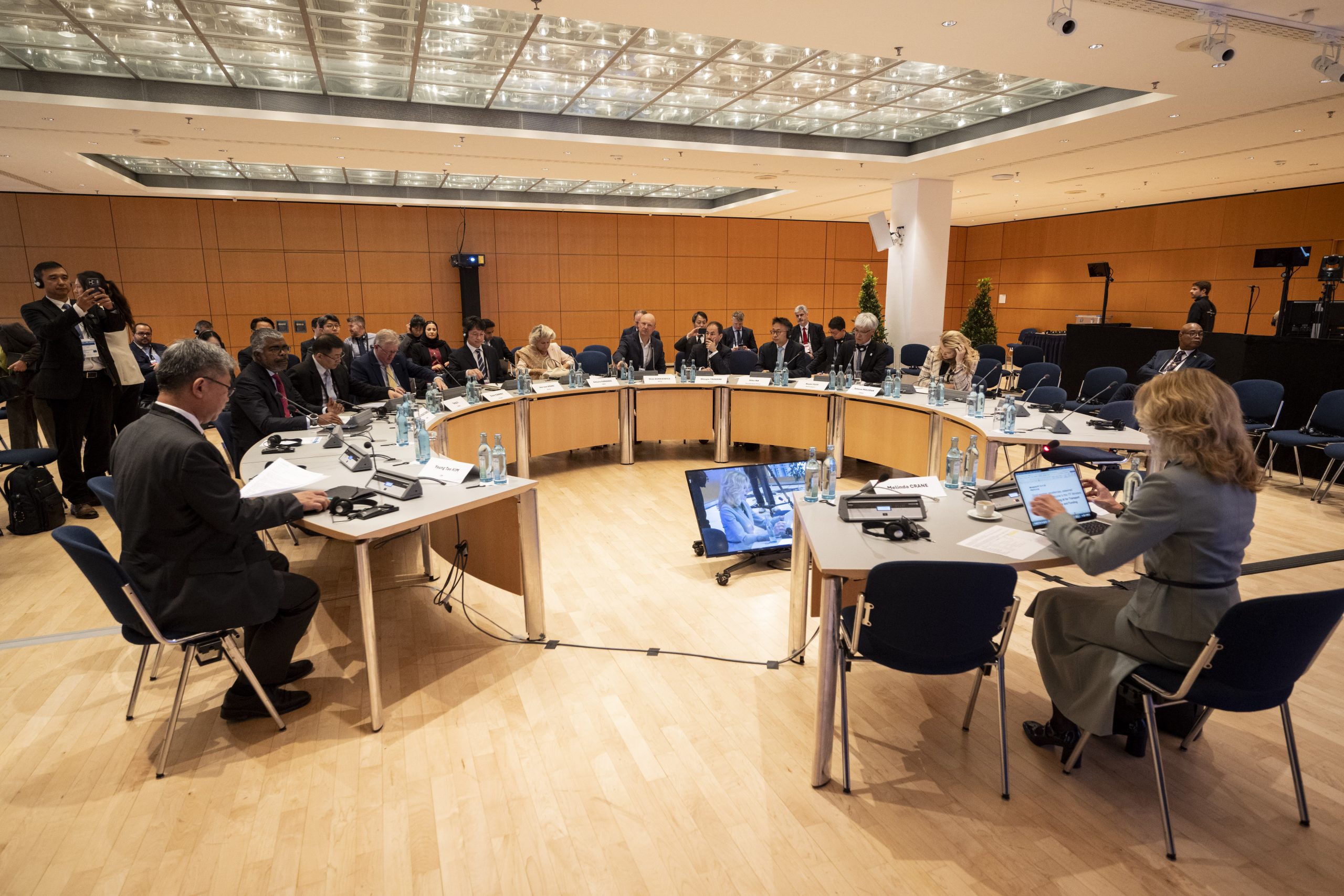
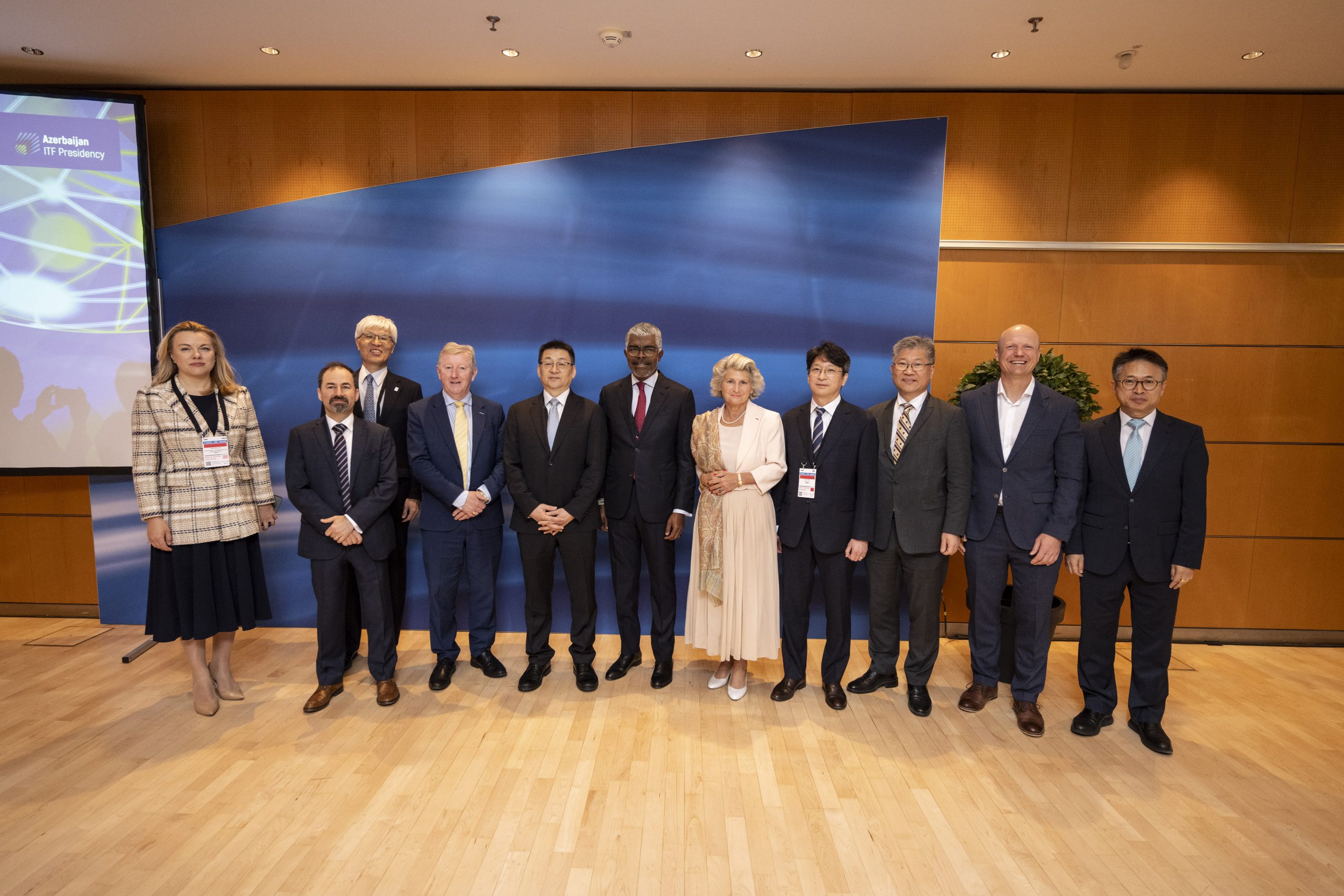
From 6 to 8 May 2026, Europe’s Rail Joint Undertaking joined the International Transport Forum Summit 2026 in Leipzig (Germany), taking an active part in the world’s largest gathering of transport ministers and the premier global transport policy event. Focused this year on the theme “Funding Resilient Transport”, the Summit explores ways to mobilise the investments and financing strategies needed to strengthen the resilience of transport systems – for better long-term connectivity, efficiency, and reliability in transport infrastructure and operations.
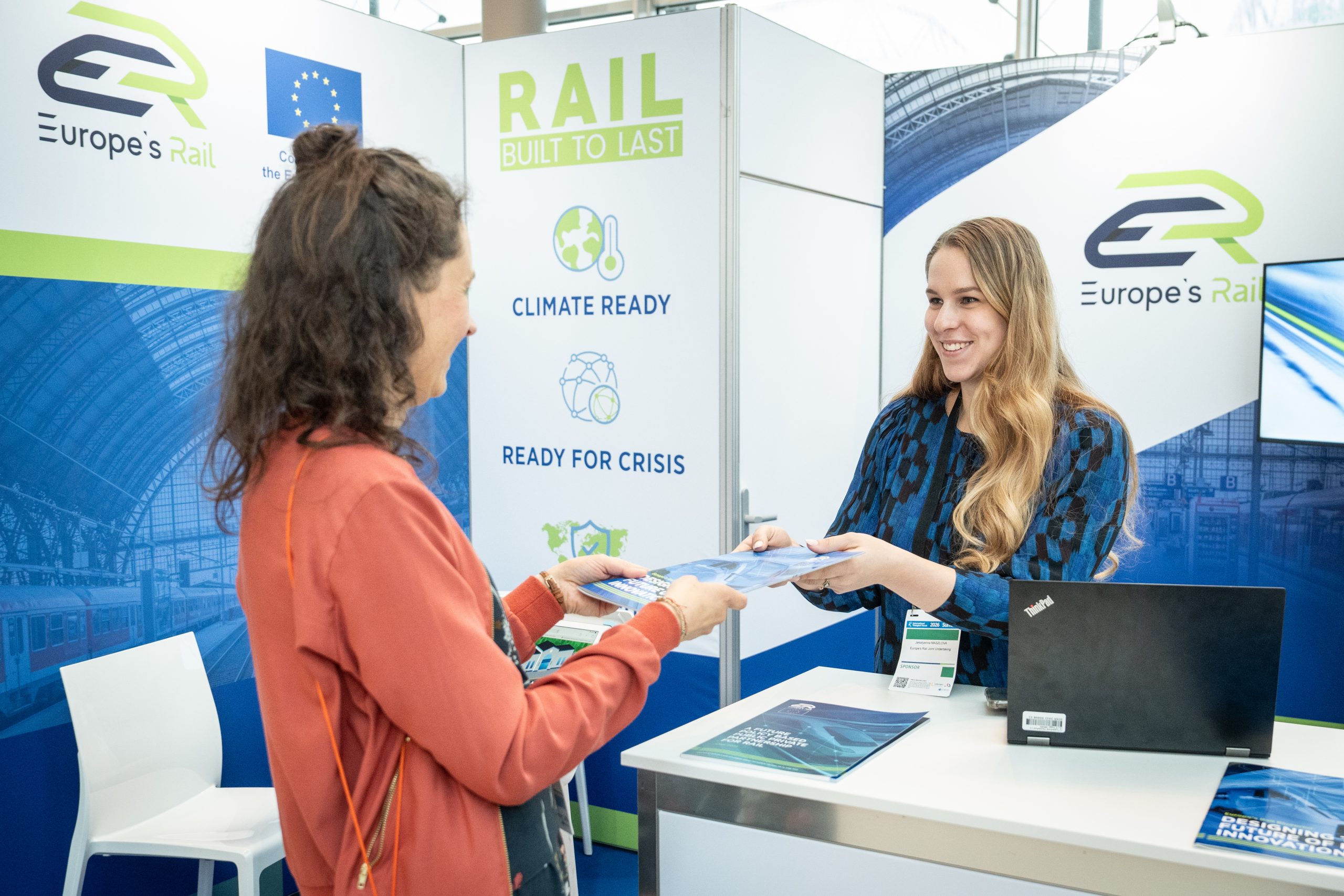
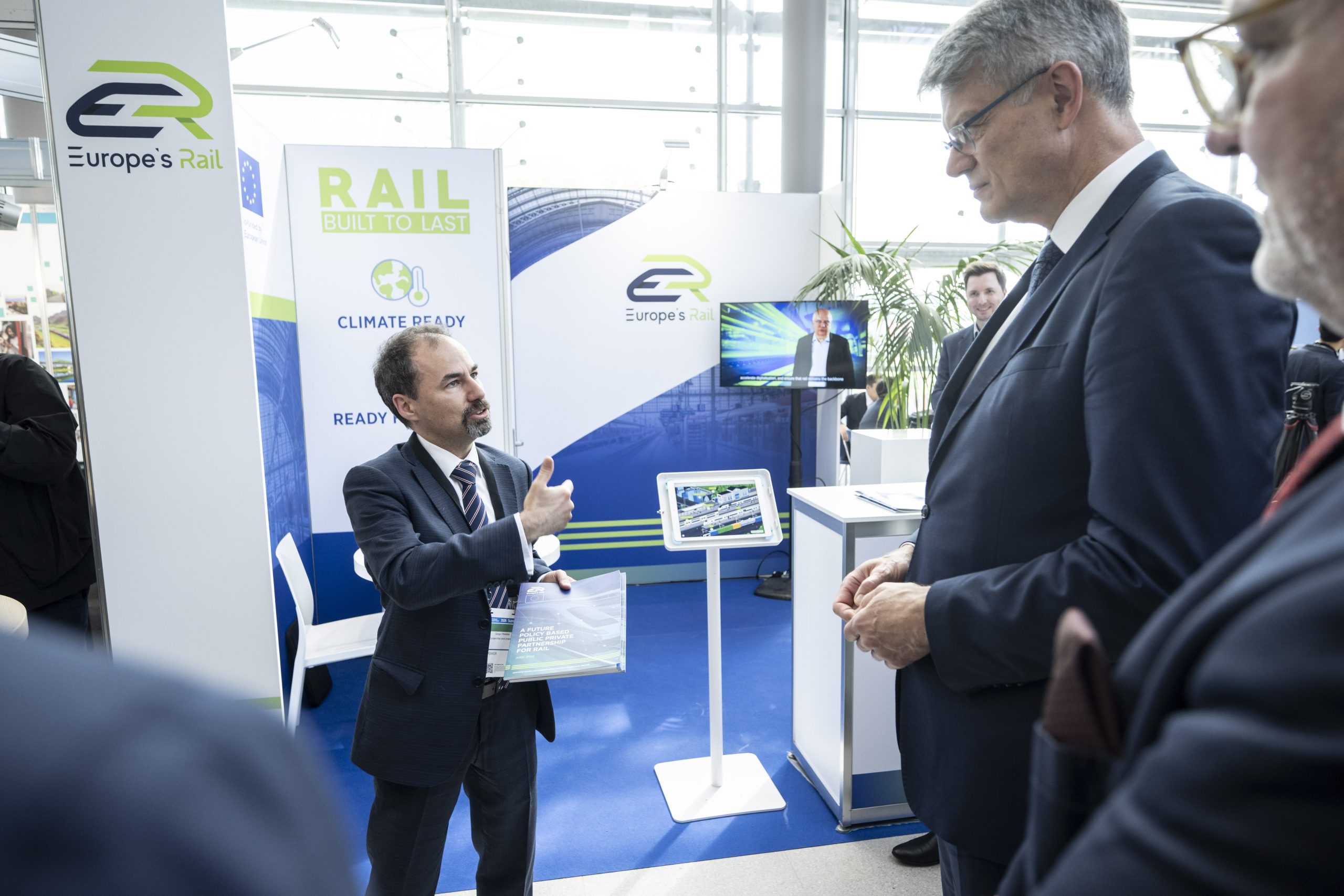
Throughout the three days of the Summit, the EU-Rail stand served as a live hub for exchange, discovery, and collaboration. Visitors were invited to discover Europe’s Rail’s work and the concrete solutions it brings to the real-world European railway system and to citizens’ day-to-day lives, thanks to the recently launched Interactive Solutions Catalogue.
Giorgio Travaini, Executive Director of Europe’s Rail, delivered a keynote speech during the high-level Ministers’ Roundtable “Steering AI for Transport Resilience: Governance and Funding Pathways“. The session brought together ministers and senior transport officials to discuss how AI is transforming transport and what it means for policy, regulation, and sector capabilities, and how transport authorities should govern and integrate AI into their internal operations and institutional frameworks.
Travaini highlighted the Joint Undertaking’s work on AI-driven traffic management, predictive maintenance, and automated train operations, that is reshaping how network managers plan capacity and ensure resilience, while stressing the need to embed cybersecurity-by-design in an increasingly digital railway system.
He emphasised that AI offers a real opportunity to increase network capacity and strengthen resilience by anticipating disruptions before they cascade. However, the main risk is fragmentation: if each Member State develops its own AI-driven systems for rail capacity management, traffic control, or asset monitoring in isolation, Europe will replicate the costly mistakes of past bespoke national implementations. AI governance must be coordinated at European level, with harmonised data standards and a whole-of-government approach aligning R&I, standardisation, regulation, and pre-deployment in parallel.
“AI in transport cannot be effectively trained without deep domain knowledge and a common rail dataspace. Rail data is scattered across national stakeholders and requires harmonised models, agreement on semantics and governance — which is precisely why a structured European partnership is the right governance to ensure the secure and harmonised use of AI in Europe, building on the ERA ontology as a common language for the sector.”
Travaini also stressed the need for cybersecurity-by-design in an increasingly digital railway system: as AI becomes embedded in safety-critical rail operations, alignment with the latest cybersecurity regulations and standards — validated through cross-border testbeds before wide-scale adoption — is essential to maintaining operational resilience. The EU-Rail Joint Undertaking is working in this direction, also focusing on pre-deployment activities as the critical instruments to validate AI-enabled solutions in real-world and cross-border conditions before committing to wide-scale deployment — de-risking investment and building trust among operators, suppliers, and public authorities.
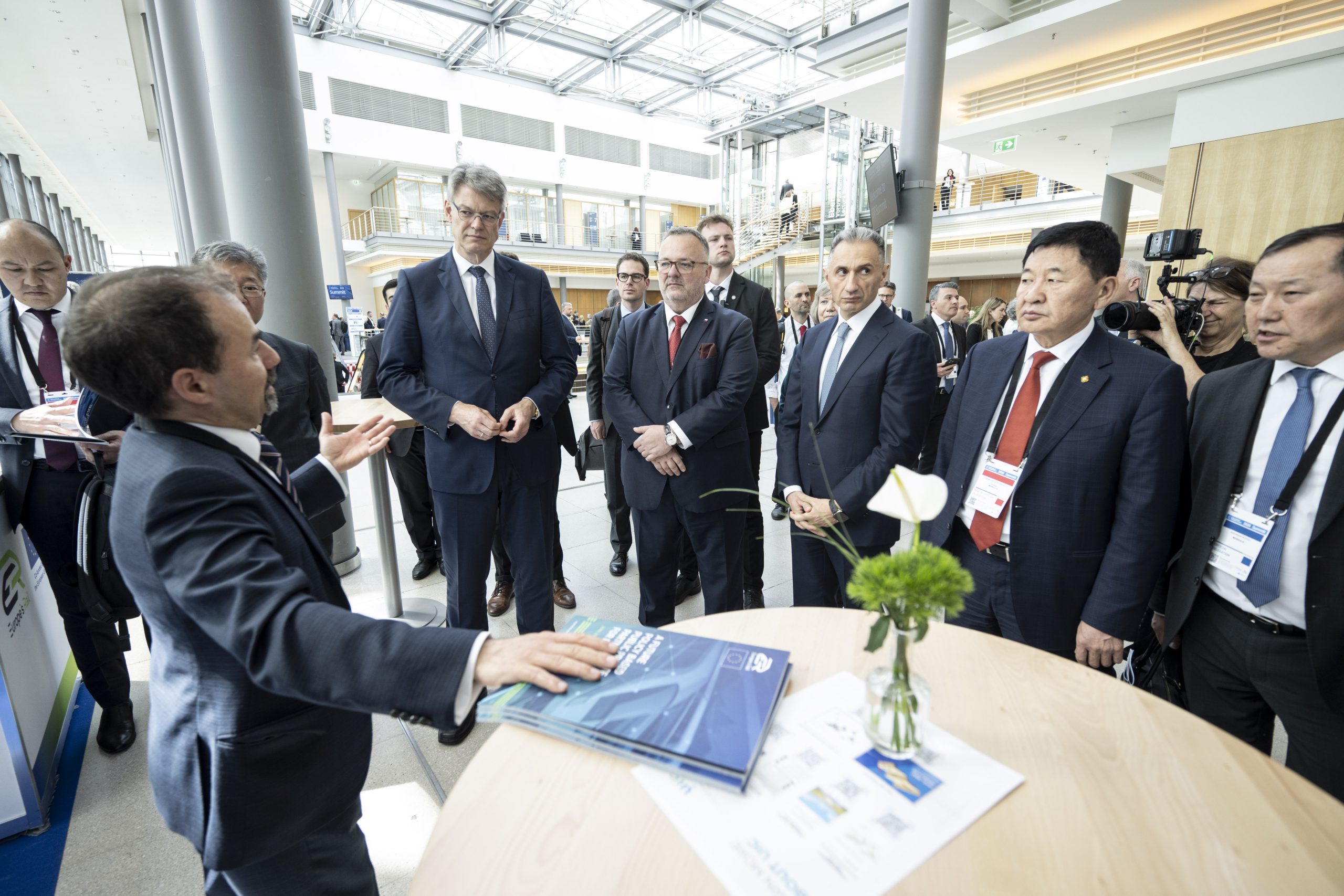
Following the morning roundtable, in the afternoon the ministers’ visit at the stand took place, offering an additional moment of exchange between EU-Rail and high-level transport decision-makers from different countries.
Giorgio Travaini also participated in a video interview on the role of rail research and innovation in building transport resilience and implications for Europe’s competitiveness. He underlined that the resilience of transport is more essential than ever nowadays, with shocks that are persistent and increasingly coming all at once. Europe’s Rail is committed to ensuring rail remains always available for citizens and businesses, through innovation, collaboration, and the deployment of solutions across the European network. Harmonisation is equally key: there is no resilience without it, and reducing fragmentation remains a major focus of Europe’s Rail work. Resilience also drives competitiveness and, as the most sustainable transport mode, rail is uniquely positioned to support Europe’s climate goals. Looking ahead, pre-deployment will be a central pillar of the upcoming Joint Undertaking’s work.
In line with the theme of the Summit, Travaini states:
“We are pitching out to the ministers here that it is worth investing in rail today, in order to create a sustainable future for tomorrow that is resilient”.
You can watch the full interview here: https://www.linkedin.com/feed/update/urn:li:activity:7458127306029621249