Europe’s Rail Newsletter – March Edition The March Newsletter is filled with the latest updates, key insights, and...
EU-Rail March 2026 Newsletter
read more
A body of the
European Union

Access the list of all EU-Rail Calls for Proposals.

On 21 June 2024, the Governing Board of Europe’s Rail Joint Undertaking (EU-Rail) adopted a Call for Expression of Interest (CEI) with a view to selecting associated members with the potential to contribute to the achievement of its objectives. The Governing Board decision can be accessed here.
Discover detailed information about procurment rules and information.
Access detailed information about past tenders.

Europe's Rail regularly published Calls for Tenders. To find out about open Calls, follow link below.

Article 15 (Principle of transparency) of the EU-Rail financial rules states that the JU shall make available on its internet site no later than 30 June of the following financial year information on the recipients of funds deriving from its budget.

EU-Rail’s Innovation Pillar (IP) is tasked to deliver operational and technological solutions that contribute to a more efficient, flexible, and demand-led, yet safe and environmentally sustainable European railway system.

The System Pillar provides governance, resource, and outputs to support a coherent and coordinated approach to the evolution of the rail system and the development of the system view.

The Deployment Group advises the EU-Rail Governing Board on the market uptake of rail innovation developments and support their deployment.
For a successful and effective implementation of the Digital Automatic Coupler for European rail freight (DAC), it is of crucial importance to have open, close and efficient cooperation between rail stakeholders. The European DAC Delivery Programme enabled by Europe’s Rail, offers a unique European platform for such cooperation and collaboration.
Discover how Europe’s Rail Joint Undertaking is calling for a bold, coordinated investment strategy to simplify and modernise rail systems across the EU. This public-private partnership model – outlined in our High-Level Paper – proposes an €18 billion investment from 2028 to 2034 to strengthen European competitiveness, deliver greener transport, and drive technological sovereignty.

The Shift2Rail Joint Undertaking is the predecessor programme of the Europe's Rail Joint Undertaking (EU-Rail), established by Council Regulation (EU) 2021/2085 of 19 November 2021.

Discover detailed information on Europe's rail innovation initiatives, showcasing flagship and other projects aimed at enhancing rail systems across Europe. It highlights collaborative efforts funded by the European Union to develop sustainable, efficient, and competitive rail transport solutions.

Europe’s Rail Catalogue of Solutions illustrates successful R&I results in the form of possible products and solutions, while highlighting the benefits for final users, operators, infrastructure managers and/or suppliers. This publication also outlines the advantages of integrating demonstrators into market solutions so that they can deliver the rail innovation Capabilities of the future.
Europe’s Rail Joint Undertaking (EU-Rail) is the European partnership on rail research and innovation established under the Horizon Europe programme (2020-2027) and the universal successor of the Shift2Rail Joint Undertaking.

Find out the full list of Europe's Rail Members.

Discover the full structure and governance of Europe's Rail, including the decisions of the Governing Board.

Get access to Europe's Rail main reference documents, including Annual Work Plans, Annual Activity Reports, Annual Accounts and other important information.
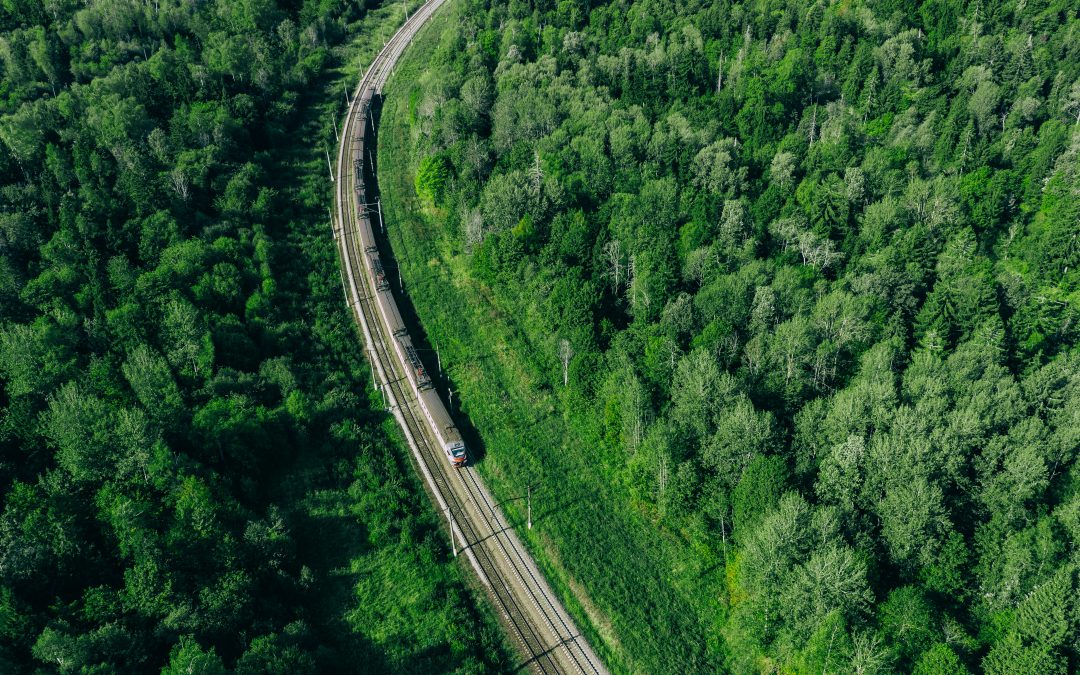
From technical milestones to partnership highlights, the Flagship and Exploratory Projects continue to drive forward innovation in the European rail sector. Below, you will find the latest updates from November, showcasing progress, collaboration and the steps being taken toward a more integrated, sustainable and efficient rail system across Europe.
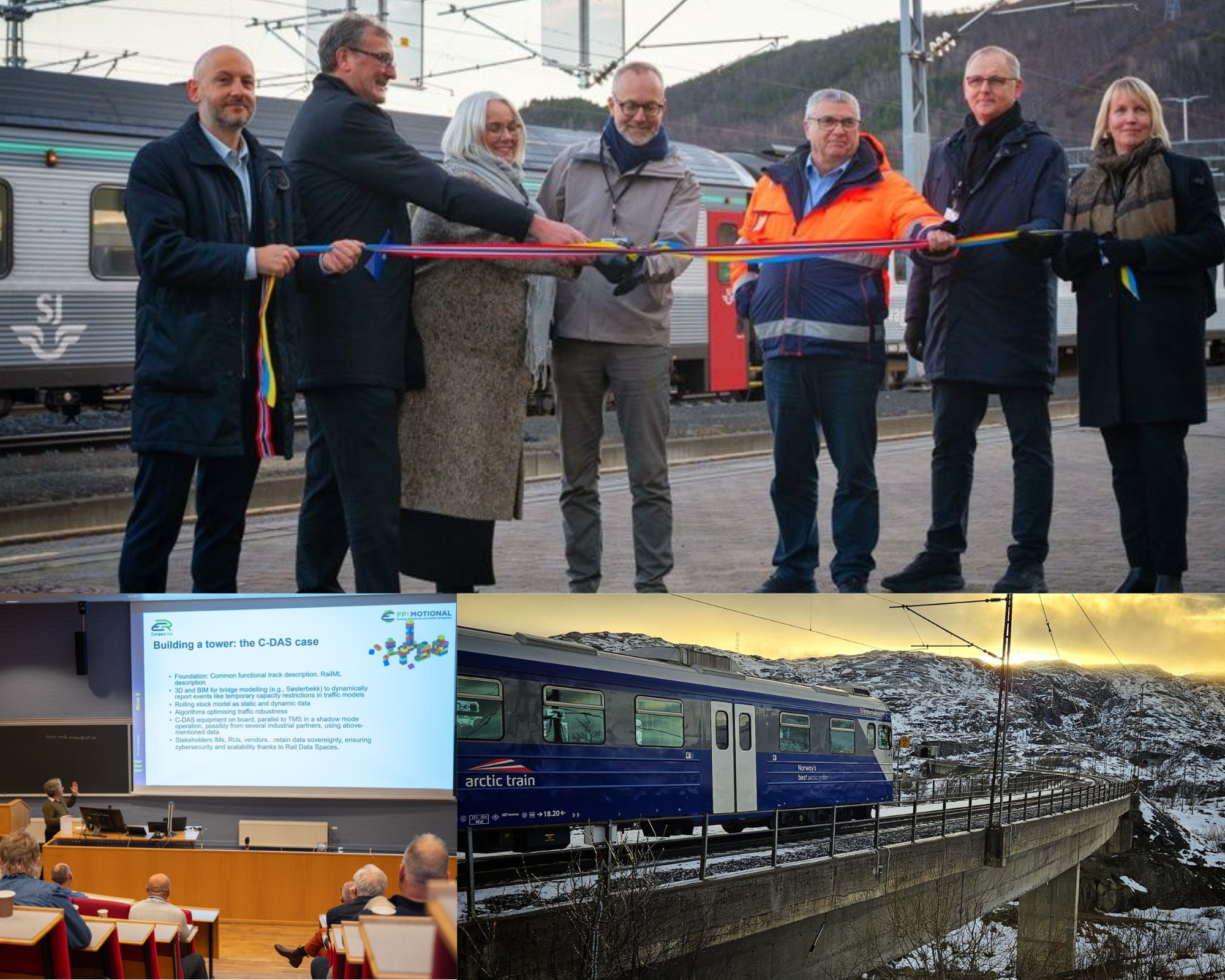
On 4–5 November, the Arctic Test Arena was officially inaugurated in Narvik, marking the launch of a dedicated Norwegian–Swedish facility for testing and developing railway technologies under Arctic conditions.
Around 170 representatives from 60 European entities in infrastructure, research and technology development attended the event, which aims to improve operational performance in extreme weather, strengthen climate resilience, foster technological innovation and promote cross-border collaboration.
Spanning 473 km from the ice-free port of Narvik to Luleå and the industries of Norrbotten, the Ofoten Line and the Iron Ore Line have long served as a critical transport corridor for Europe’s raw materials. Their Arctic environment, heavy-haul operations, and challenging terrain make them an exceptional testing ground. The Arctic Test Arena now provides a structured platform for research, experimentation and implementation, delivering solutions that can benefit railways across northern Europe and beyond.
The launch featured an official ceremony at Narvik Station, with remarks from Sébastien Denis, Senior Programme Manager at EU-Rail. Sébastien highlighted our EU-Rail FP3-IAM4RAIL project, presenting advanced monitoring systems for concrete bridges, transition zones and extreme-weather operations, illustrating how these innovations enhance operational reliability, winter performance and digitalised asset management.
Participants then boarded the Arctic Innovation Train to Katterat, Søsterbekk, and Abisko. A key demonstration involved monitoring the Søsterbekk Bridge using advanced sensors capable of tracking structural and rail integrity at temperatures reaching –30 °C.
The Arctic Test Arena is a collaboration between Trafikverket, Bane NOR, the Norvegian Railway Directorate, the City of Narvik, Luleå University of Technology, Luleå Railway Research Center (JVTC) EU-Rail, SINTEF, and UiT The Arctic University of Norway.
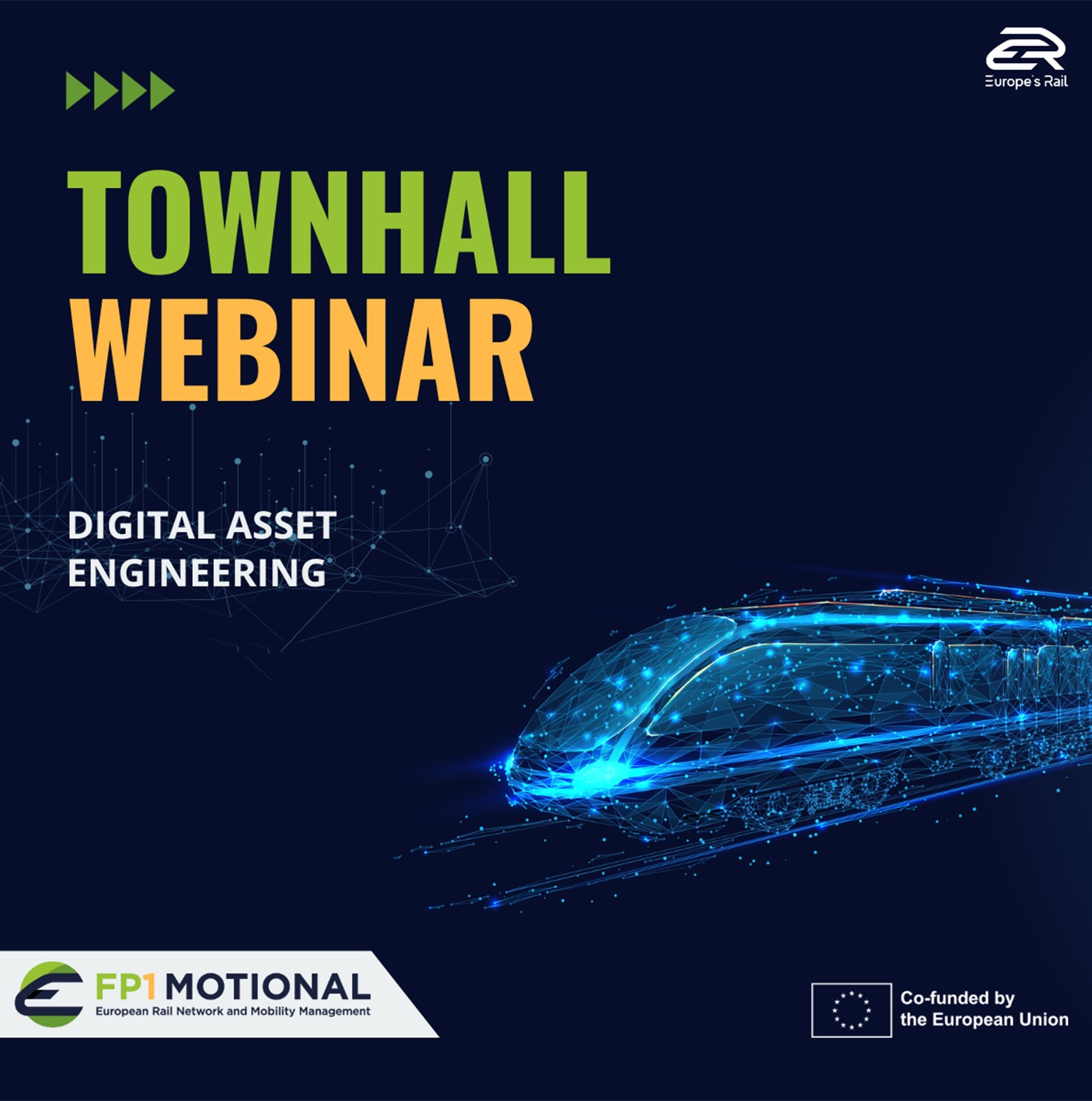
On 21 November, our EU-Rail FP1-MOTIONAL project hosted its online Townhall, marking an important step toward next-generation Digital Asset Engineering.
The programme included a workshop led by DB InfraGO AG, a presentation on LIDAR-based railway asset detection by MERMEC, and an overview of guidelines for Digital Twin development and maintenance by PKP, followed by a Q&A.
The session highlighted three core pillars driving the digitalisation of Europe’s rail system:
This Townhall served as a valuable platform to gather expertise, accelerating innovation, standardisation and interoperability for digital rail assets across Europe.
As part of our EU-Rail FP2-R2DATO, industry partners are developing a Moving Block Demonstrator, a traffic control and supervision system based on new geometric, train-oriented safety logic.
Unlike traditional fixed-point safety systems with signals and markers, this approach authorises train movements dynamically, simplifying planning, reducing engineering effort, and potentially increasing capacity. It even allows multiple trains on the same track circuit when integrity monitoring is available.
Tested at DB’s digital testbed in the Ore Mountains, Germany, the demonstrator combines three key components:
Both simulation and field tests are employed: simulations provide early, cost-efficient validation, while field tests verify functionalities that cannot be simulated, such as real-world FRMCS and switch control. Two test vehicles equipped with ETCS onboard units support are used.
Results show that this innovative architecture and safety logic perform reliably in real-world conditions and can increase capacity by enabling operations at absolute braking distances.
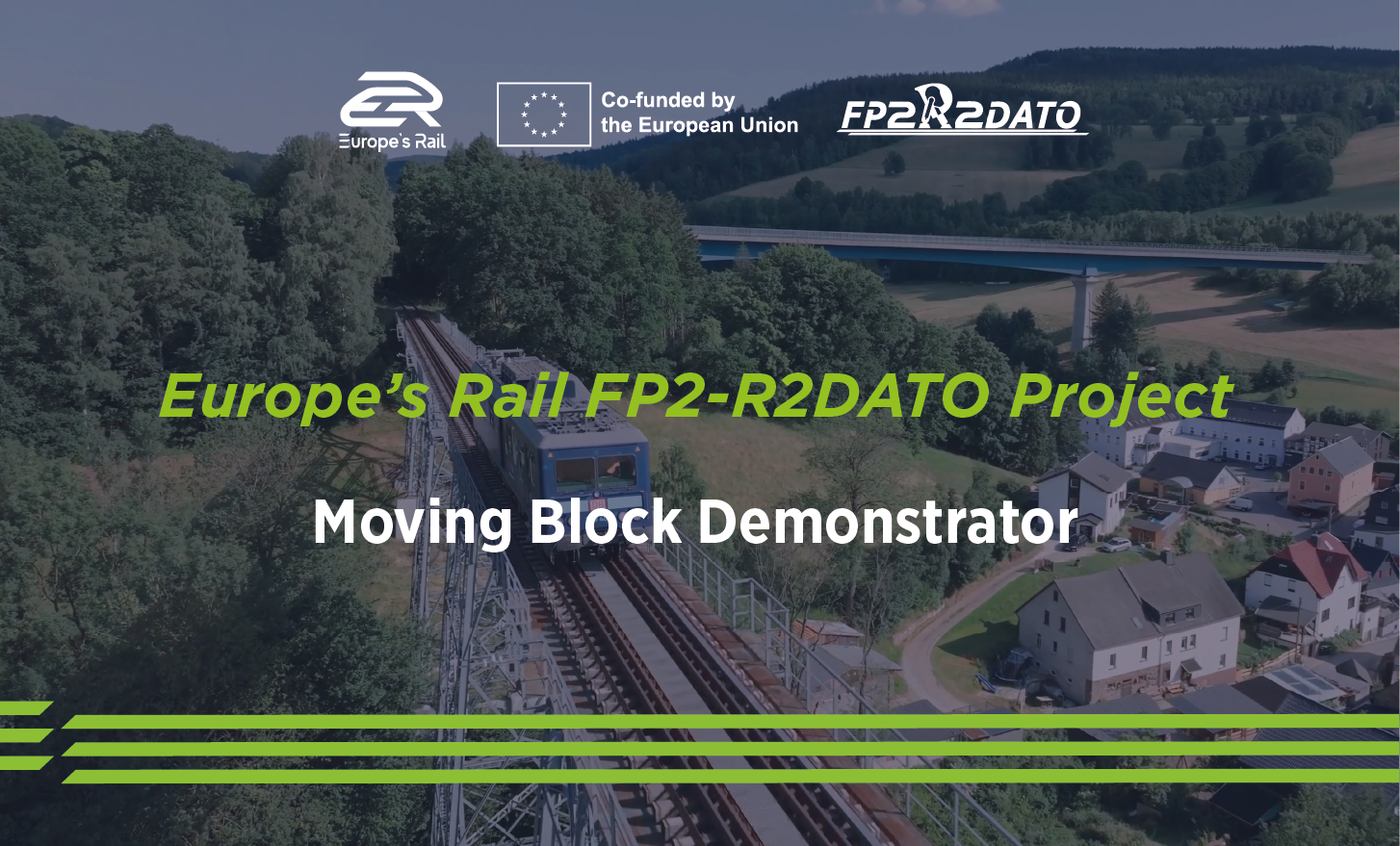
Our EU-Rail FP2-R2DATO project is developing remote-operated and fully autonomous train technologies. Partners from 12 countries are testing digital systems that improve capacity and streamline operations without building new infrastructure. Trials in Norway, the Netherlands and Switzerland have successfully demonstrated remote-driven trams and trains. The next step involves fully autonomous operations using an advanced perception system—the “eyes of the train”—to detect obstacles and make driving decisions. The project also aims to harmonise Europe’s fragmented railway systems to enable smooth cross-border travel. Researchers are testing innovations such as Moving Block technology, which increases network capacity by allowing trains to run closer together, and satellite-based positioning to enhance rail safety systems like ERTMS. These developments are expected to transform European railways over the next decade, making rail transport more reliable, efficient and sustainable.
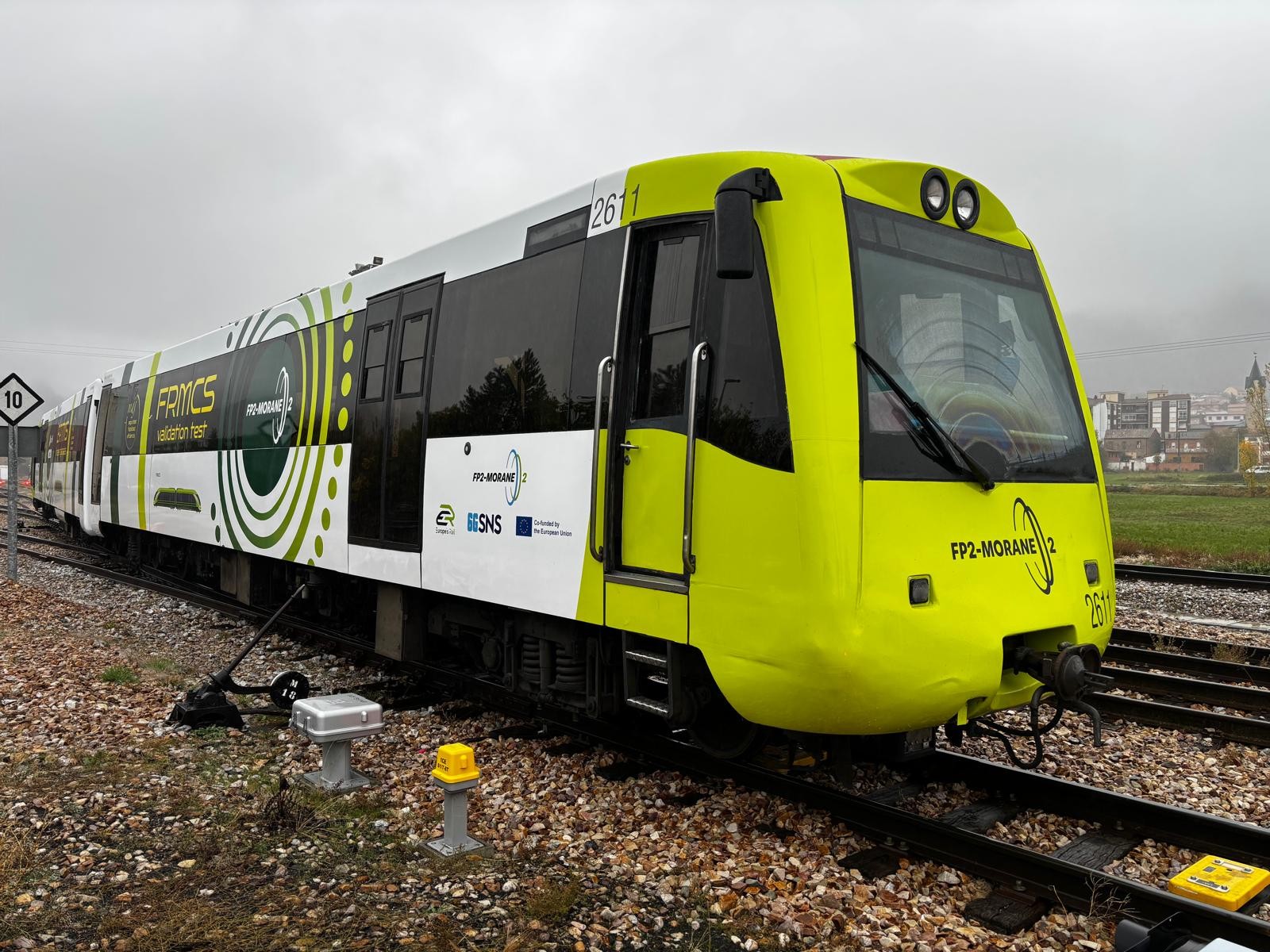
As part of our EU-Rail FP2-MORANE-2 project tests on conventional lines, a Renfe train has been selected to run on the León–Matallana line, which has been set up as a test environment for FRMCS within the European specifications validation project. Along these lines, GSM-R functionalities will be validated on the new FRMCS system, with the aim of ensuring that railway operations can be fully carried out under the new communications system. Tests will take place under real operating conditions on a commercial line, allowing the system’s performance to be evaluated in a fully operational environment.
The train now features the FP2-MORANE-2 logo and corporate colours, making it easily identifiable and showcasing the involvement of Adif and Spain in this ambitious European programme. This new distinctive design strengthens the project’s visual identity across technical and public dissemination activities, marking another milestone in the advancement of Europe’s railway communications.
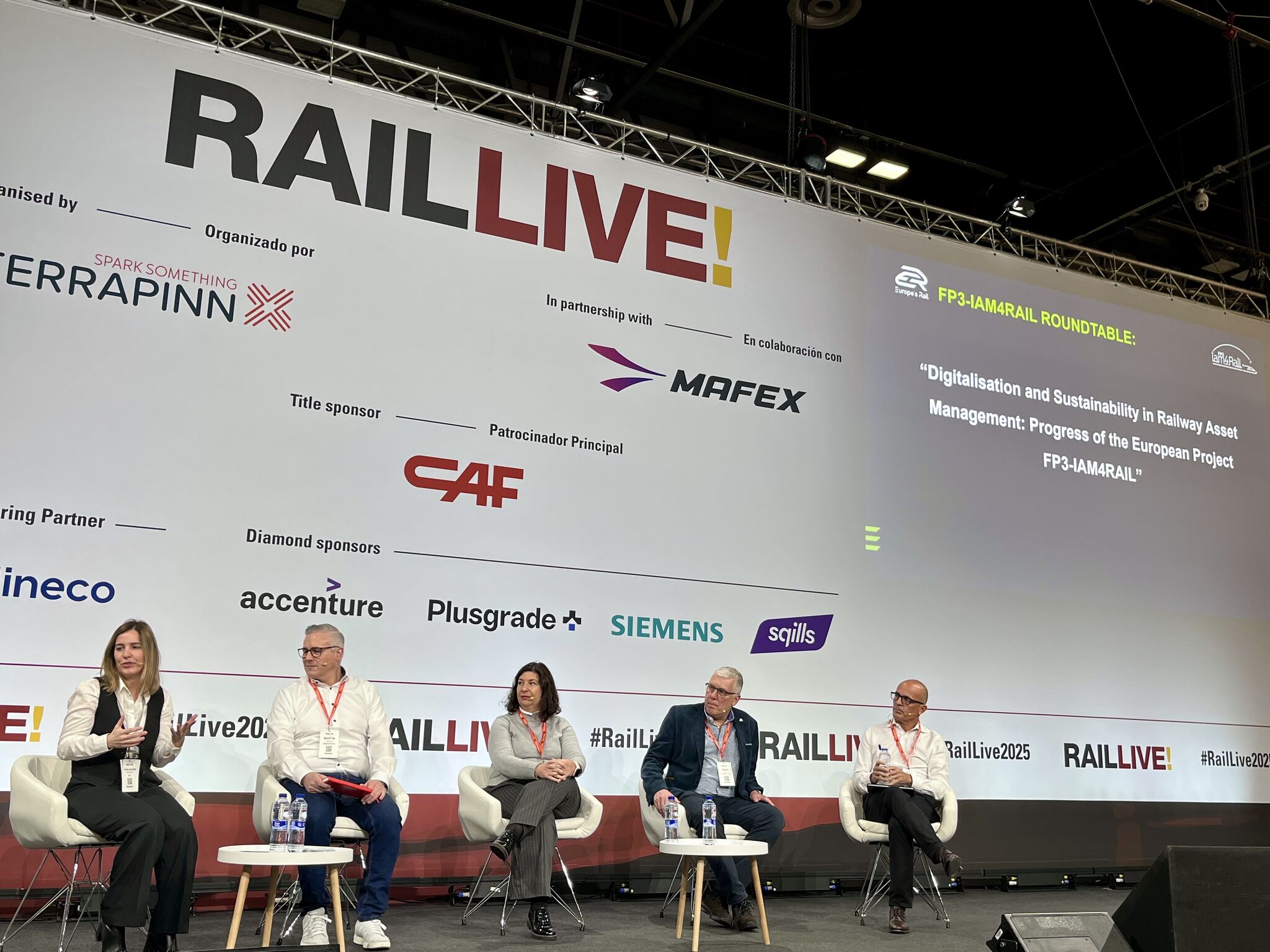
On 28 November, our EU-Rail FP3-IAM4Rail project took centre stage at RailLive 2025, with Adif hosting an expert roundtable highlighting the project’s progress and ambitions. The Roundtable session “Digitalisation and Sustainability in Railway Asset Management: Progress of the European Project FP3-IAM4Rail” was moderated by Rosa Casquero, Head of the Infrastructure Subsystem Sector at the International Union of Railways (UIC). Participants discussed how digital tools, data-driven processes, and sustainable strategies are transforming rail asset management across Europe.
Moreover, Henk Samson, Senior Programme Manager Innovation for the FP3-IAM4Rail Project, contributed to an expert panel alongside Martin Espenschied (Principal Technology Advisor and Strategist, SBB CFF FFS), Ana Mª Millán (Lead Engineering and EU-funded Projects, GTSTS Hitachi Rail) and Harald Eller (CEO, Savvee Strategic Management S.L). Together, they shared technical insights and practical perspectives on the ongoing digital transformation of the rail system, showing how innovative approaches are enabling more efficient, sustainable and resilient asset management.
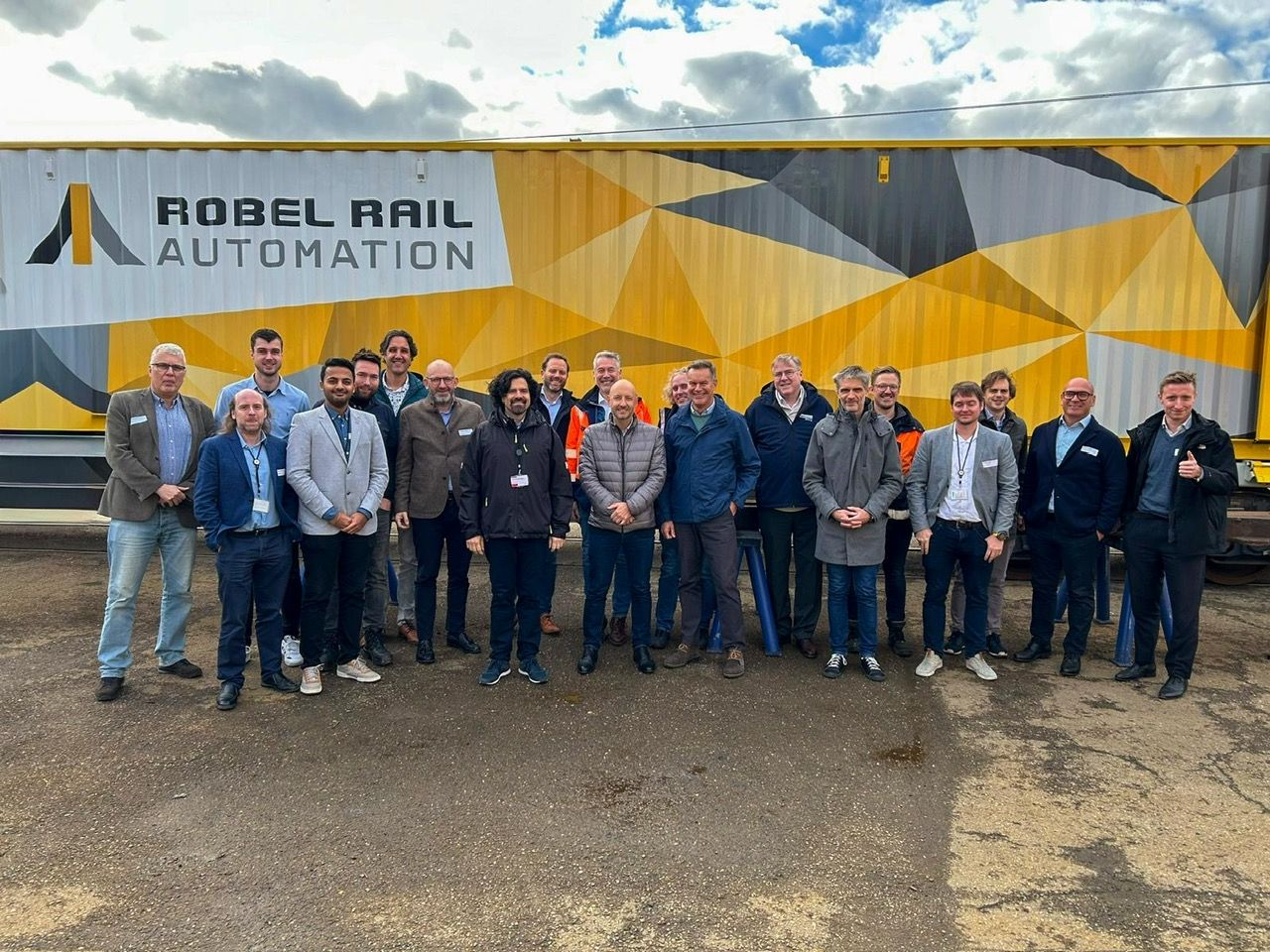
On 30 October, robotics met rail at Strukton’s headquarters in Utrecht.
The event featured thematic sessions and live demonstrations highlighting cutting-edge innovations developed under our EU-Rail IAM4RAIL project, including the ERTMS Trackbot, an advanced robot for installing balises and axle counters, and the Leonardo measurement train, a digital inspection and data-visualisation platform. Additional showcases included welding robotics and sustainable solutions such as a battery-powered locomotive.
Sébastien Denis, EU-Rail’s Senior Programme Manager, presented the project’s objectives and its contribution to advancing automation, digitalisation and more sustainable infrastructure across Europe.
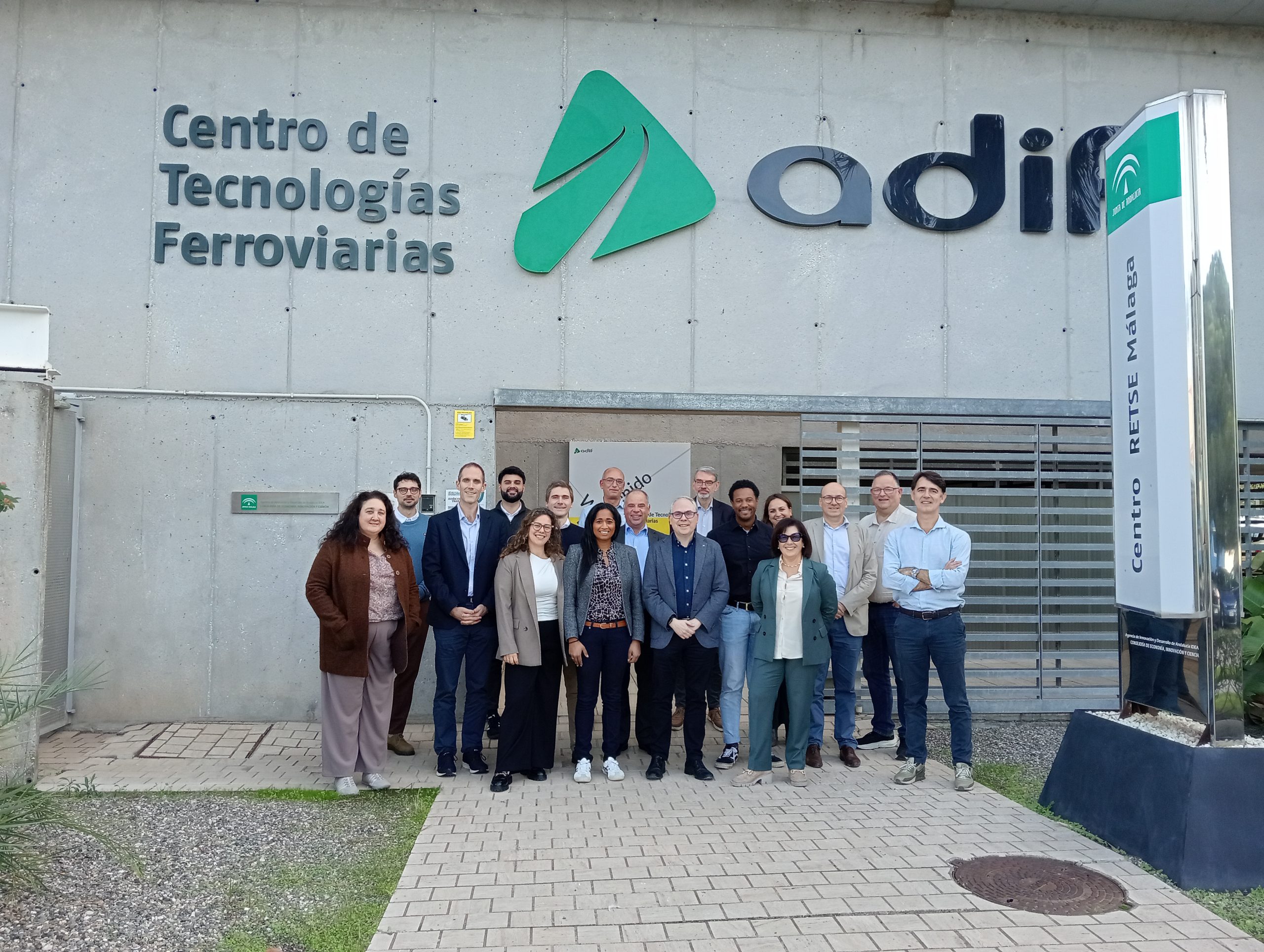
On November 19, our EU-Rail member Adif hosted the 54th Steering Committee meeting of the FP5-TRANS4M-R project at the Railway Technology Centre (CTF) in Málaga.
Together with Renfe as its affiliated entity, Adif participates in a consortium of 27 public and private organisations from 10 EU Member States and one associated country.
The hybrid meeting gathered around 80 representatives from across Europe to review project progress, evaluate work packages and milestones, and make strategic decisions. Discussions focused on demonstrator requirements for achieving rail interoperability, including developments such as the Digital Automatic Coupler (DAC) and rolling stock inspection systems. Results from recent tests conducted in Germany by Deutsche Bahn (DB) were also presented.
Participants concluded the day with a guided tour of the CTF facilities, exploring innovation projects and specialised laboratories that enable the development of new technologies and improvements to existing systems.
Rail Sweden will host a webinar on the Work Package 29 demonstration of our EU-Rail FP5-TRANS4M-R project, titled:
“European Railway Checkpoints – Intelligent Monitoring of Seamless Rail Freight Transports”.
When: 27 January 2026 | 11:30 – 13:00 (CET)
Where: Online
More information will follow on the project homepage. Don’t miss this opportunity to learn about the latest developments in seamless rail freight monitoring!
Following the FP6 FutuRe Mid-term event held on 24–25 September in Turin, Italy, where participants discussed the strategic importance of regional railway networks, cost-effective CCS solutions and innovative passenger information systems, you can now watch the interviews with:

As our EU-Rail project ESEP4Freight successfully came to an end on 31 August 2025, we invite you to read the project’s final newsletter, which presents the recently released ESEP4Freight Web Platform.
The project’s overarching objectives were to create, integrate and validate a set of web-based information services within an open-access platform; to assess the impact of upcoming innovations; to analyse European freight market trends and freight flows; and to propose recommendations for adapting the current contractual and legal framework in intermodal transport to the needs of different actors.
In this final edition, you will also find access to the project’s publications, deliverables and presentations delivered across Europe.
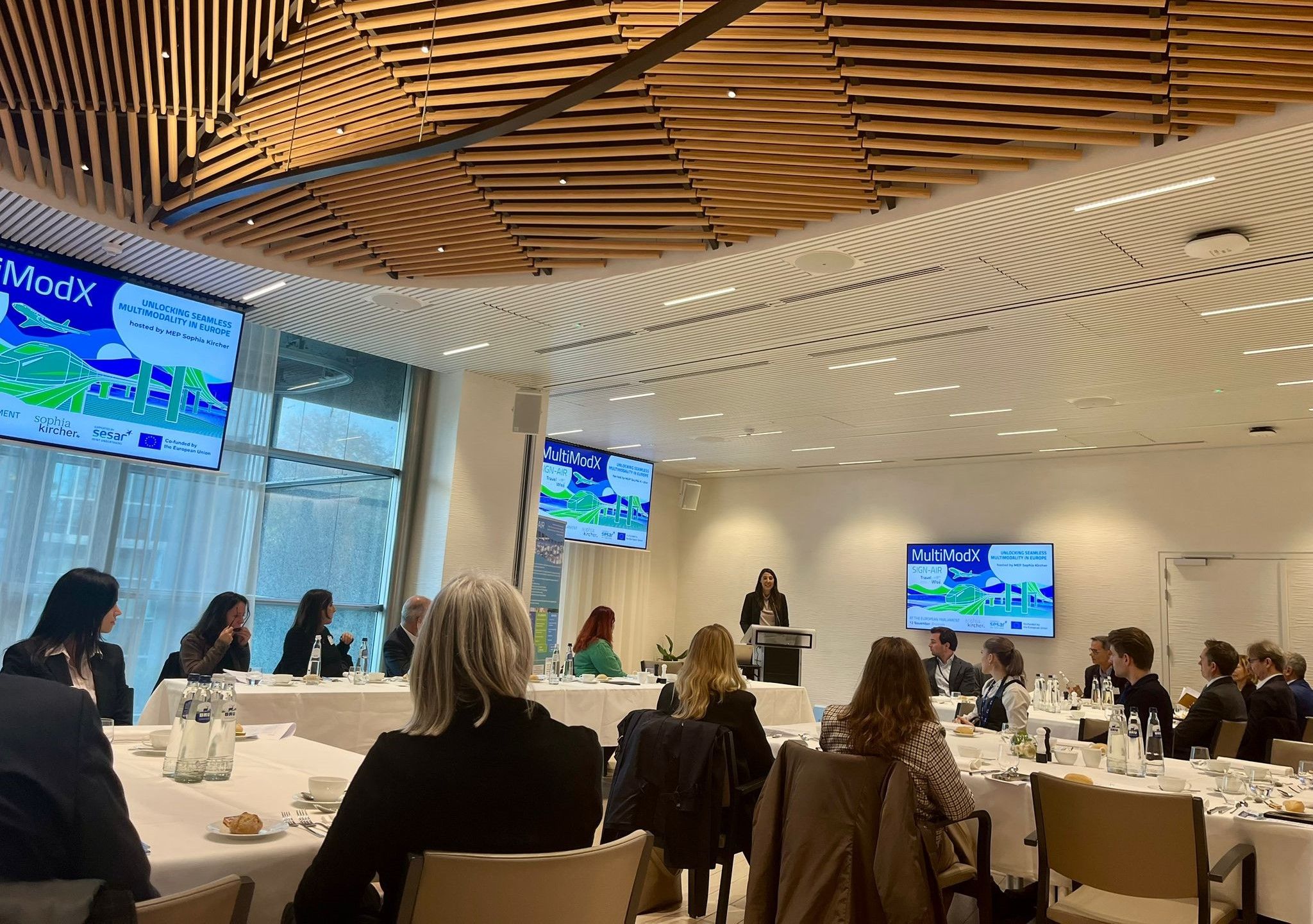
On 12 November, the TravelWise project was invited to join SIGN-AIR and MultiModX (MMX) projects at a joint policy event in the European Parliament, hosted by MEP Sophia Kircher.
The discussion explored how stronger policies, better data use and closer cooperation between transport sectors can make seamless multimodal travel possible across Europe.
As the first cross-sector Joint Undertaking project, co-funded by EU-Rail and SESAR JU, TravelWise plays a pioneering role in advancing seamless passenger journeys and data sharing. The event convened EU policymakers, legal experts, transport operators, and civil society stakeholders to assess how closer air–rail cooperation can foster sustainable and passenger-centric mobility.
TravelWise emphasised its ongoing support for EU transport policy objectives through the development of new decision-support systems, data-integration approaches and collaborative operational models for aviation, rail and maritime stakeholders.
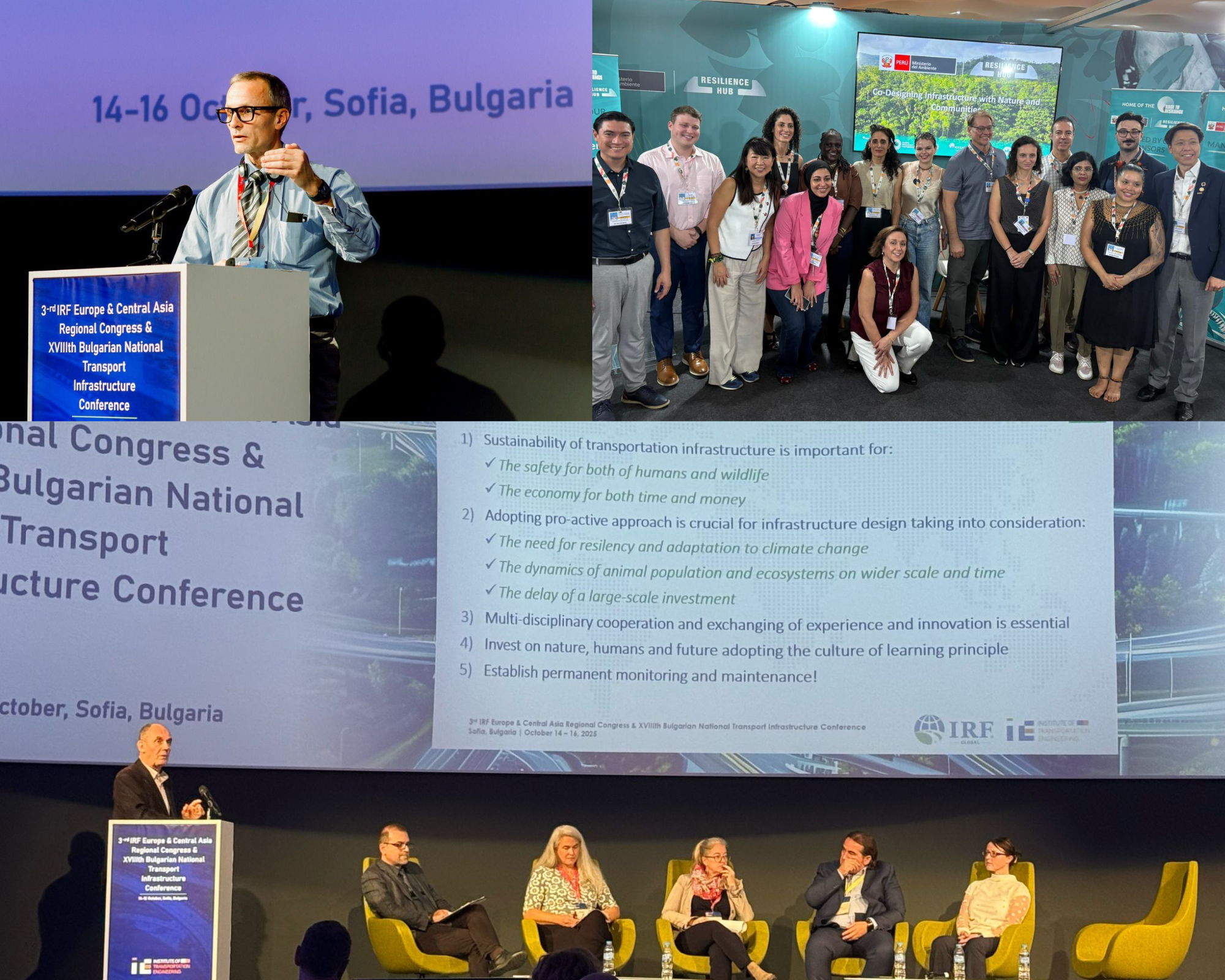
On 14-16 October, our EU-Rail SYMBIOSIS project gained strong visibility during the IRF Europe & Central Asia Regional Congress and Bulgarian National Transport Infrastructure Conference in Sofia, Bulgaria.
Dr. Thierry Goger (Secretary General, FEHRL), highlighted the project during the “Digital Corridors – Infrastructure for Intelligent Mobility” panel, emphasising SYMBIOSIS as a key European initiative embedding biodiversity considerations into digitalised, future-ready transport corridors.
In the session “Sustainable Infrastructure: Policy, Practice, and Environmental Alignment”, Dr. Lazaros Georgiadis (CERTH) presented technical insights from SYMBIOSIS, with a focus on cumulative environmental impact assessment of pairing linear transport infrastructure. His intervention outlined the methodology and objectives for evaluating combined ecological pressures arising from co-located transport assets, supporting better environmental decision-making and nature-positive design.
Furthermore, this month, at COP30 in in Belém, Brazil, the International Coalition for Sustainable Infrastructure (ICSI) and the International Union of Railways (UIC) stressed that nature‑positive, people‑centric transport is now a practical and cost‑effective strategy for long‑term resilience. Discussions focused on standards, digital tools, community knowledge, and nature-based solutions—such as green corridors, mangrove buffers, and urban wetlands—to protect vulnerable corridors and cities. These insights and collaborations will directly support upcoming SYMBIOSIS capacity-building work.
Stakeholders are invited to contribute to the ongoing assessment through the SYMBIOSIS questionnaire.
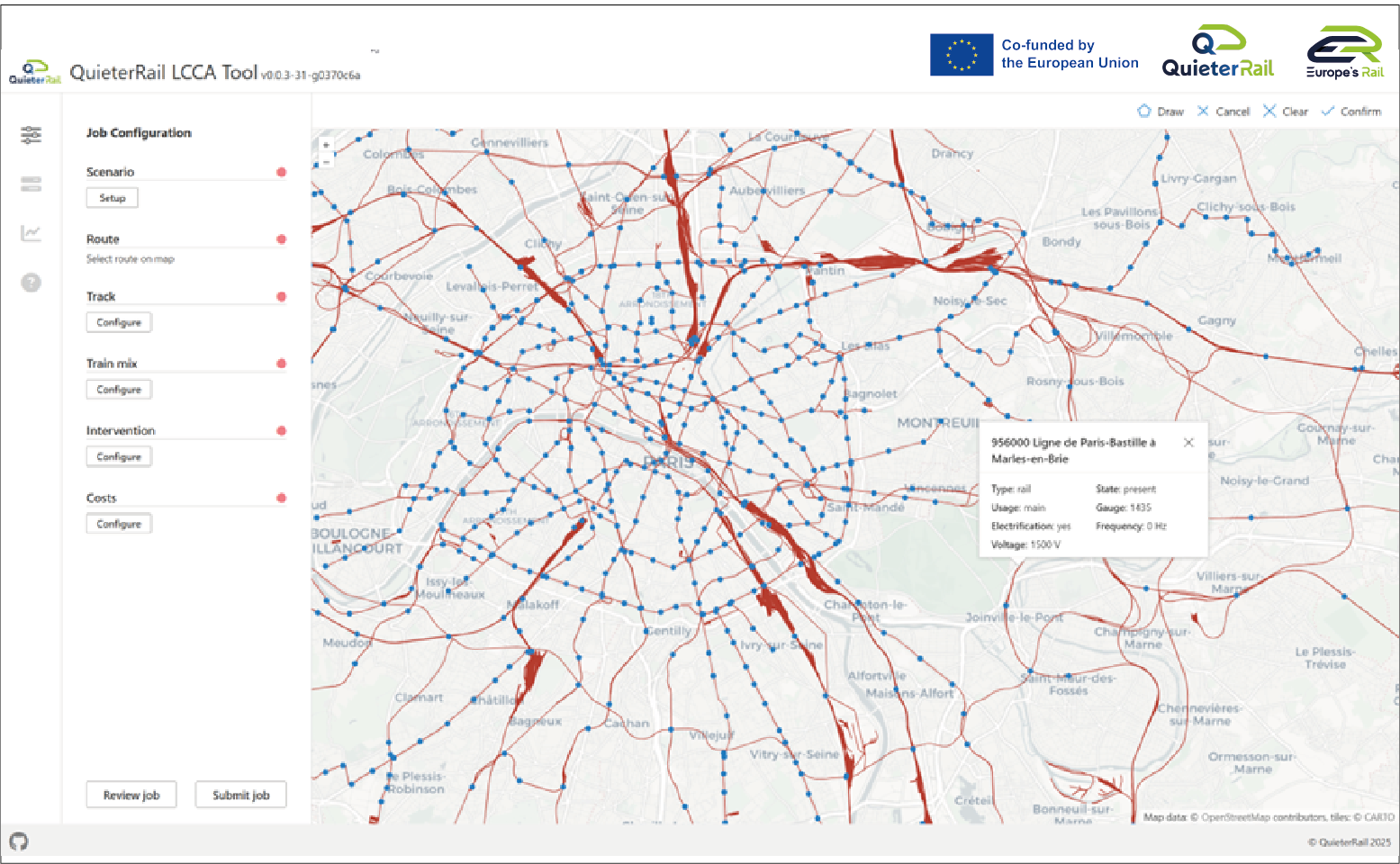
Our EU-Rail QuieterRail Project is approaching a key milestone in its work on track optimisation for noise, vibration and life-cycle costs, led by ISVR Consulting.
Because noise and vibration mitigation measures can introduce additional expenses, the project is developing a prototype online assessment tool at the University of Southampton to help determine whether the benefits outweigh these costs. The tool will include:
This tool will ultimately offer a systematic, transparent approach for evaluating mitigation strategies and identifying optimal track solutions.
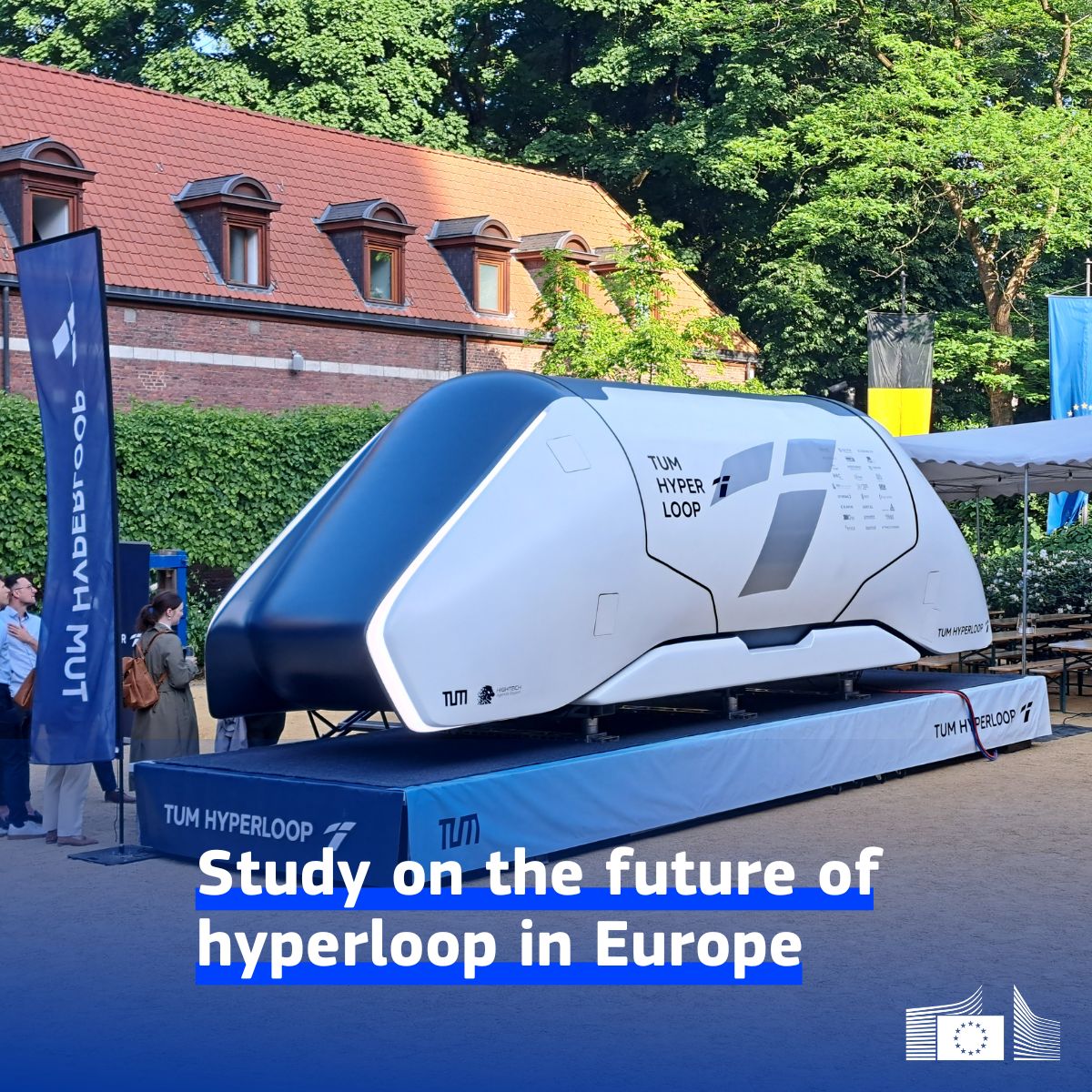
The European Commission has published a new fact-finding study offering an updated assessment of Europe’s hyperloop sector and its potential for future EU support.
The study confirms that several European developers have moved beyond design work and are now leading global hyperloop testing and prototyping. It also highlights the technology’s potential contribution to EU priorities, including decarbonisation, digitalisation, regional cohesion and industrial innovation.
The study also highlights how our EU-Rail Hyper4Rail project plays a key role in strengthening technical harmonisation and interoperability across different hyperloop solutions. Further steps suggested include developing a supportive regulatory environment and aligning future work with TEN-T long-term objectives. These insights will inform the Commission’s upcoming strategy on next-generation transport technologies.
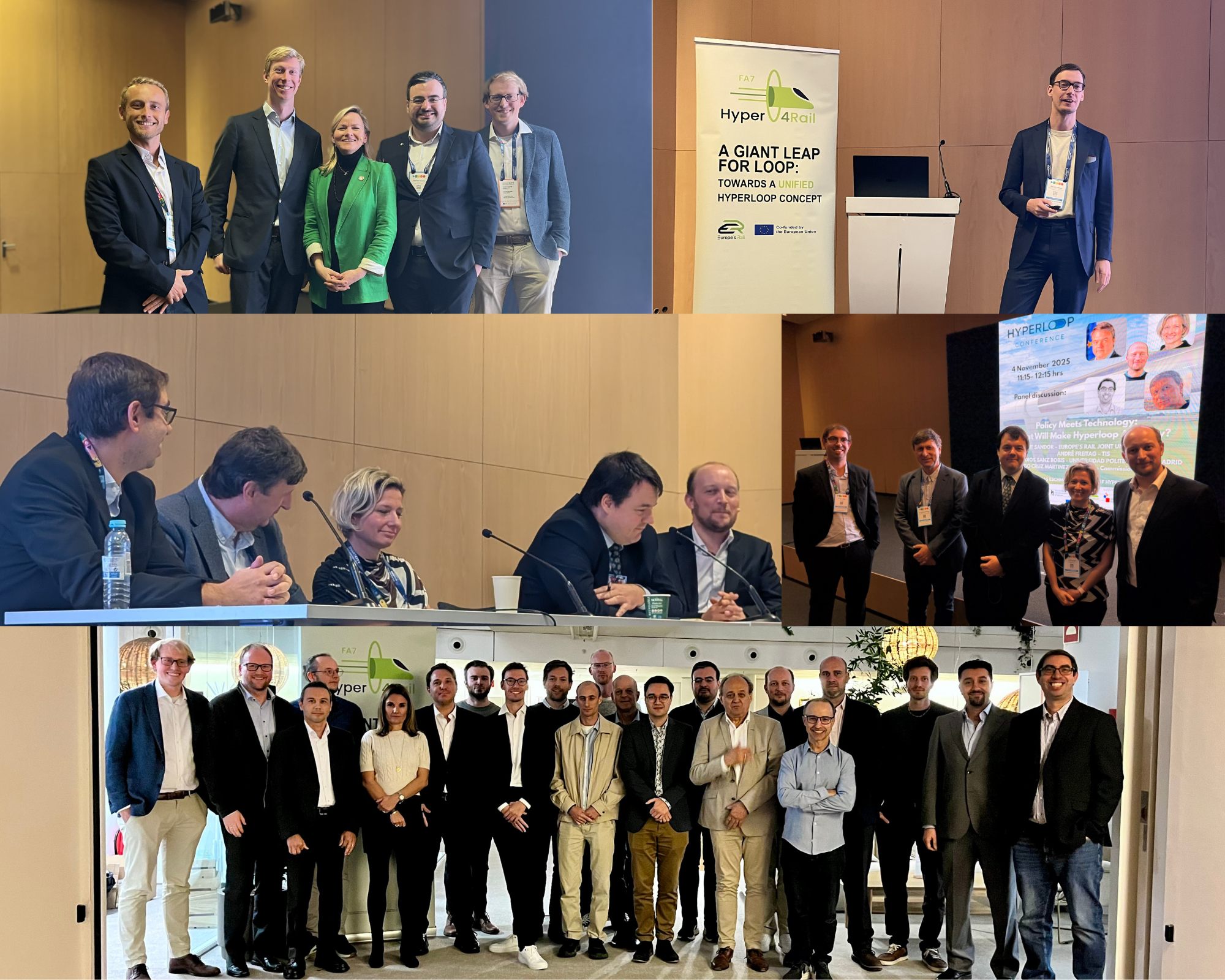
The Hyperloop Conference 2025 on 4 November convened researchers, policymakers and industry representatives to discuss the status of our EU-Rail Hyper4Rail project, technological developments and the critical need for coherent policy frameworks and harmonisation.
EU-Rail Project Manager Judit Sándor joined the panel “Policy Meets Technology: What Will Make Hyperloop a Reality?” with Íñigo Cruz Martínez (DG MOVE, European Commission), Andre Freitas (TIS), Juan de Dios Sanz Bobis (Universidad Politécnica de Madrid) and Lukas Eschmet (Institute of Hyperloop Technology) to discuss the policy frameworks, research activities and technological milestones required to advance hyperloop. Judit also stressed the importance of harmonisation and technological maturity to build trust in hyperloop and shared insights into upcoming EU-Rail funding opportunities that support this evolution.
A keynote from Sascha Lamme, Hyper4Rail Project Coordinator, summarised Hyper4Rail’s interim findings, while a panel featuring Tim Houter (Co-Founder of Hardt Hyperloop), Juan Vicen Balaguer (Co-Founder & VP Institutional Relations of Zeleros), Gabriele Semino (Co-Founder & CEO of Neoways Technologies) and Antoine Juge (Managing Director of Eurotube Foundation), moderated by Kathleen Schröter, outlined the next steps for European hyperloop development and the need for converging technical concepts.
The Hyper4Rail consortium convened the day before to review the status of various work packages and discuss the contribution of user surveys and business case studies to the project’s operational concept and technical design considerations.
Our EU-Rail PhDs EU-Rail project has produced a comprehensive state-of-the-art overview covering the project’s key research domains.
Studies address both technical and societal dimensions, including innovation, implementation strategies, digital command systems, gender equality, education and accessibility. The findings confirm that substantial innovation is still needed to modernise infrastructure, advance decarbonisation and tackle persistent gender imbalances affecting workers, prospective employees and passengers.
Additionally, the work underscores the relevance of data-driven governance, KPI-based performance monitoring and ICT platforms as catalysts for progress. The 10 resulting publications establish a comprehensive multidisciplinary reference that identifies key gaps and shapes the future research agenda in line with the EU-Rail ambition of a connected, sustainable and inclusive railway system.
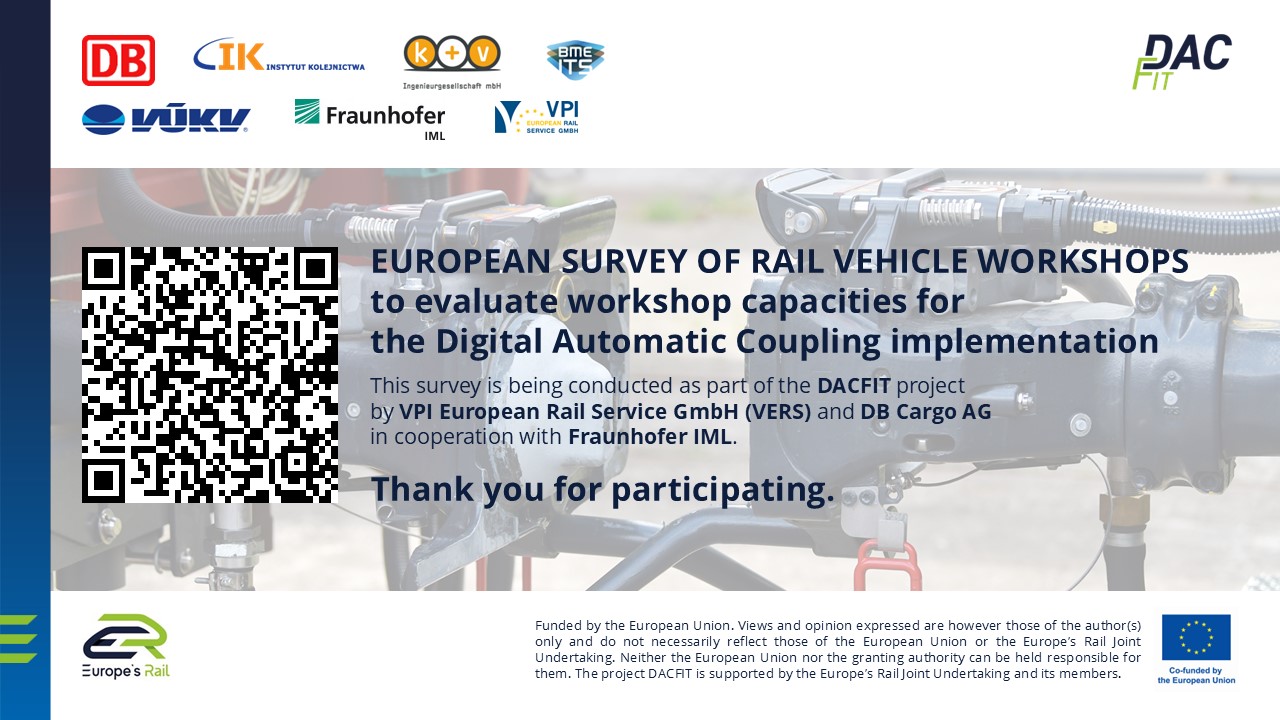
How can the Digital Automatic Coupler (DAC) be deployed across Europe without creating bottlenecks for workshops and fleets? This is precisely what our EU-Rail project DACFIT aims to determine.
To support a realistic assessment of future capacity needs, VPI European Rail Service GmbH (VERS) is conducting a Europe-wide survey among workshops and maintenance service providers.
We warmly encourage your participation—your expertise is essential.
The survey seeks to gain insights into:
The survey takes only 6 minutes to complete, is offered in 16 languages, and will meaningfully support a practical and efficient DAC migration across Europe.
All submissions are entirely anonymous.